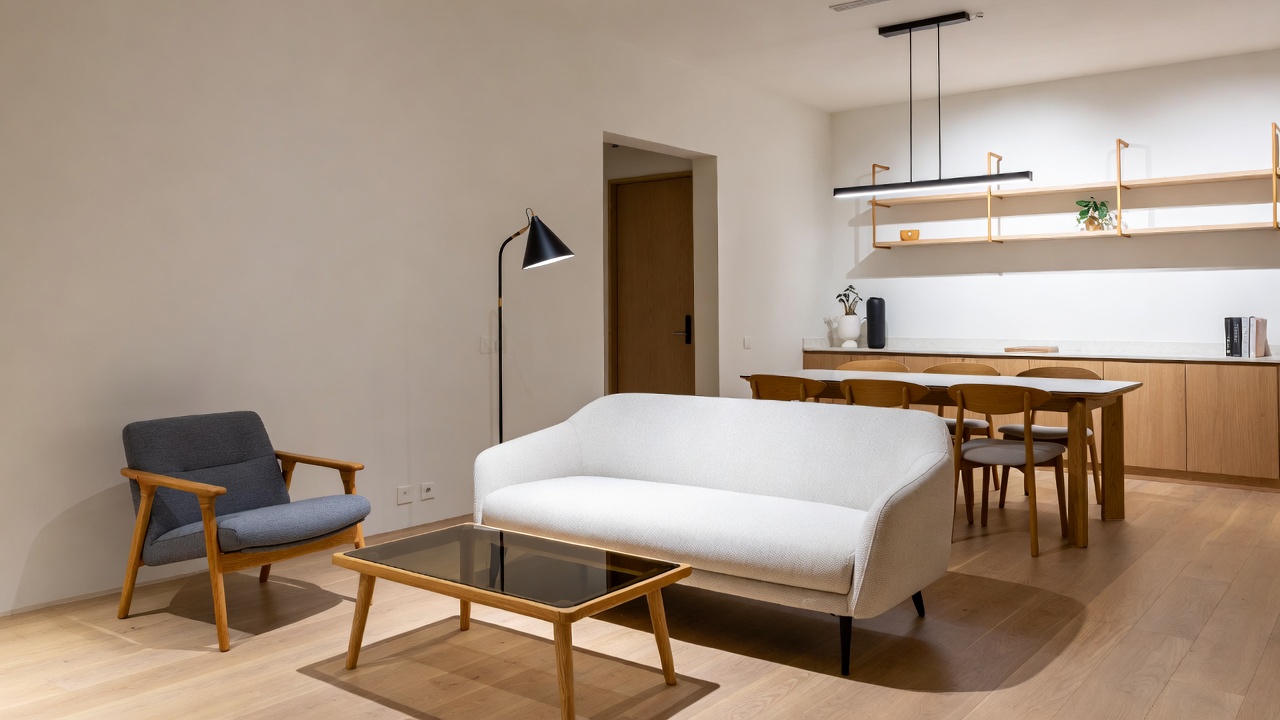
Singapore, our garden city, is all about blending nature and urban living. And you know, after a long day at the office and OT, squeezing onto the MRT home, the last thing you want is to walk into a space that feels… sian. You deserve a home that breathes, that feels good, that contributes to a healthier planet. That's where sustainable interior design comes in, lah! It's not just a trend; it's about making conscious choices that benefit you and the environment. Interior design is the art and science of planning and designing interior environments to enhance functionality, aesthetics, health, safety, and the overall human experience within a space. And when we talk about sustainable interior design, we're talking about incorporating green building standards into that process.
Okay, so what exactly is sustainable interior design? Think of it as designing your home with a conscience. It's about minimizing your environmental impact while creating a beautiful and functional space. This means considering everything from the materials you use to the energy efficiency of your appliances.
It's not just about slapping some bamboo furniture in your living room, you know? It's a holistic approach that takes into account the entire lifecycle of your design choices. Are the materials sustainably sourced? Are they non-toxic? Will they last? Can they be recycled or repurposed later on? These are the questions we need to ask ourselves.
And let's be honest, in our kiasu society, we're always looking for ways to get ahead. Well, sustainable design is a win-win! You get a stylish, healthy home and you're doing your part for Mother Earth. Steady lah!
Now, let's dive into some key principles of green building standards that you can incorporate into your interior design. These aren't just fancy terms; they're practical guidelines that can make a real difference.
Material Selection: This is huge. Choose materials that are renewable, recycled, or locally sourced. Think bamboo flooring, reclaimed wood furniture, or paints with low VOCs (volatile organic compounds). VOCs, you see, are those nasty chemicals that can off-gas from certain materials and affect your indoor air quality. Nobody wants to breathe that in, especially after a long day!
Energy Efficiency: Singapore is hot, confirm! So, energy efficiency is key. Invest in energy-efficient appliances, LED lighting, and smart home technology to reduce your energy consumption. Proper insulation also helps to keep your home cool without cranking up the aircon all the time. That helps your wallet, too!
Water Conservation: Even though we're surrounded by water, water conservation is still important. Install low-flow faucets and showerheads to reduce water usage. Consider using drought-tolerant plants for your indoor greenery. Every little bit helps, leh!
Indoor Air Quality: As mentioned earlier, indoor air quality is crucial. Choose materials that don't release harmful chemicals. Ensure proper ventilation to circulate fresh air. And don't forget to bring in some air-purifying plants. They're not just pretty; they're also good for your health.
Waste Reduction: During renovation, try to minimize waste. Donate or repurpose old furniture and materials instead of throwing them away. Choose modular designs that can be easily adapted or reconfigured in the future.
Singapore, being the efficient place it is, has building codes and regulations in place that touch on interior design, especially when it comes to safety and sustainability. While there isn't a single, overarching "interior design code," several regulations impact your choices.
Fire Safety: The Singapore Civil Defence Force (SCDF) sets strict fire safety standards. Materials used, especially in commercial spaces, must meet fire resistance ratings. Even in residential spaces, it's wise to choose fire-retardant fabrics and materials for sofas, mattresses, and curtains. Safety first, always!
Building Control Act: This act covers structural safety and building works, which can affect interior renovations. If you're making significant structural changes, you'll need to get approvals.
Green Mark Scheme: While primarily for new buildings, the Green Mark Scheme influences sustainable design practices. You can adopt Green Mark principles in your interior design by choosing eco-friendly materials and energy-efficient solutions.
Accessibility: The Building Control (Accessibility for Persons with Disabilities) Regulations ensure that buildings are accessible to everyone. Even in residential spaces, considering accessibility can improve the usability of your home for all family members.
Staying informed about these regulations can save you headaches down the road. When you connect with interior designers through platforms like Wondrous La Vie, you can be sure they are familiar with these regulations and will ensure your renovation is compliant.
Okay, so how do you actually integrate these green building standards into your home? It might seem daunting, but it's totally doable, even one step at a time.
Start Small: You don't have to overhaul your entire home at once. Start with a single room or a small project, like replacing your old sofa with a sustainably made one or switching to LED lighting.
Do Your Research: Before you buy anything, do your research. Look for certifications like Green Label Singapore or Forest Stewardship Council (FSC) to ensure that the products you're buying are truly sustainable.
Work with Professionals: Consider working with an interior designer who specializes in sustainable design. They can help you navigate the options and make informed decisions.
Embrace Upcycling and Repurposing: Get creative with upcycling and repurposing. Turn old furniture into something new, or use salvaged materials for your décor. This is not only sustainable but also adds a unique touch to your home.
Choose Local: Supporting local businesses reduces your carbon footprint and helps the Singaporean economy. Look for local furniture makers, artisans, and suppliers who use sustainable practices.
Now, here's where Wondrous La Vie comes in. Singapore's pioneering interior design and home furnishing platform, launched in March 2024, is all about connecting homeowners like you with top interior designers and curated premium furniture brands.
Imagine this: you open the door after work, and your shoulders just drop – sounds like heaven? It can be sia. In Singapore’s compact HDB flats and modern residences, the sleeping area often serves as both retreat and multi-use space—a haven for unwinding after hectic work shifts, do some light reading, or even handle occasional remote work when required. It’s very typical for Singapore homeowners to feel frustrated by arrangements that feel cramped, harsh overhead lights, or bulky storage that reduces usable area, making the room feel more practical than peaceful. That’s where thoughtful bed room storage truly excels—it centres around smart space planning, calming colour palettes, space-saving furniture, and clever lighting to create a tranquil sanctuary that optimises relaxation while maintaining a clean, open feel. SUDDENLY the bedroom turns into the place you can’t wait to reach at the close of each day, helping you relax quicker, enjoy deeper rest, and rise feeling energised and ready for the day ahead. Resources like Wondrous La Vie provide tons of real-life examples and easy connections to professionals skilled in these functional and stylish local bedroom renovations.. Wondrous La Vie understands that your home is your sanctuary. They make it easy to find designers who share your values and can help you create a sustainable and stylish space.
They offer inspiration through real project showcases and style guides, so you can see what's possible. And they make it easy to find matching designers or pieces that fit your taste and budget.
One homeowner shared how connecting with the right designer via the platform turned their cramped HDB living room into a cosy family hangout – suddenly weekends feel so much better.
Wondrous La Vie focuses on affordable luxury, so you don't have to break the bank to create a sustainable home. They offer a wide range of furniture, including sofas, mattresses, living room sets, bedroom furniture, and kitchen solutions. All carefully curated to meet high standards of quality and sustainability.
So, why should you bother with sustainable interior design? Well, besides the obvious environmental benefits, there are plenty of personal benefits too.
Improved Health: Sustainable materials and good indoor air quality can improve your health and well-being. Less exposure to harmful chemicals means fewer allergies and respiratory problems.
Increased Comfort: A well-designed, sustainable home can be more comfortable and inviting. Natural light, comfortable furniture, and a calming atmosphere can reduce stress and improve your mood.
Fun fact: A cosy, well-designed living room or bedroom can actually help you sleep better and feel less stressed after long workdays — small changes, big shiok difference!
Reduced Energy Bills: Energy-efficient appliances and good insulation can save you money on your energy bills. That's always a good thing, right?
Increased Home Value: Sustainable homes are becoming more and more desirable. Investing in sustainable design can increase the value of your home.
Peace of Mind: Knowing that you're doing your part for the environment can give you peace of mind. You can relax and enjoy your home knowing that you're making a positive impact.
Ready to create your own sustainable sanctuary? Why not pop over to wondrouslavie.com, take the quick quiz, browse sofas/mattresses, or connect with a designer and see what feels right for your space? It's time to transform your home into a haven where you can finally say "shiok lah, home sweet home" after a sian day.
Timeline management: Coordinating inspections for timely project completion
Alright, let's talk about making your home a real haven, lah. After squeezing onto the MRT and hustling through the workday, isn't it time your space actually recharged you? We're not talking about those cookie-cutter homes that feel like they're straight out of a catalogue. We're talking about a place that reflects you, a sanctuary that just feels… shiok.
Interior design is more than just picking pretty colours and arranging furniture, you know? It's the art and science of planning and designing interior environments to enhance functionality, aesthetics, health, safety, and the overall human experience within a space. Think about it: a well-designed space can actually boost your mood and reduce stress. And these days, it's also about doing it responsibly. We're talking sustainable interior design – creating spaces that are not only beautiful, but also good for the planet. This is where integrating green building standards into your interior design comes in. It's not just a trend; it's a smarter way to live.
Why is this so important, especially in Singapore? Well, we live in a city where space is precious and resources are limited. Choosing sustainable materials, energy-efficient lighting, and designs that maximize natural light can make a real difference. Plus, it just feels good to know you're doing your part for the environment, right?
Now, you might be thinking, "Green building standards? Sounds complicated!" But don't worry, lah, it's not as daunting as it seems. In Singapore, we have the Building and Construction Authority (BCA) that sets the standards for green buildings. These standards, like the Green Mark scheme, cover a range of factors, from energy efficiency to water conservation to indoor environmental quality.
When it comes to interior design, these standards translate into things like:
These are all things that your interior designer can help you with, steady? It's about making informed choices that benefit both you and the environment.
Okay, so how do you actually incorporate these green building standards into your home? Here are some practical tips:
And remember, you don't have to do everything at once. Start with small changes and gradually incorporate more sustainable practices into your home. The main living area is typically the initial area guests see and where the family spends most evenings, so it makes sense to want pieces that looks good, keeps cords tidy, and avoids shrinking the space visually than it normally is in HDB or condo layouts. Many people struggle with oversized outdated units or cheap units that wobble, collect dust easily, or just don’t match the modern vibe they’re going for. That’s exactly where a well-chosen TV console steps in—it delivers smart storage solutions for TV gadgets, streaming boxes, and remote controls while becoming a chic statement piece that unifies the entire space with minimalist profiles, clever storage sections, and premium finishes. All at once your media corner turns organised and intentional, the area feels more spacious and cohesive, and movie nights become even more enjoyable without the mess pulling focus. Browsing curated options on sites such as Wondrous La Vie lets you find designs that fit your space perfectly, from minimalist to luxurious, so your hall refresh turns smooth and just right.. It's a journey, not a race, okay?
Now, here's where Wondrous La Vie comes in. Finding the right interior designer who understands your vision and can help you achieve your sustainable design goals is crucial. Wondrous La Vie, Singapore's pioneering interior design and home furnishing platform, connects you to top interior designers who are passionate about creating beautiful and sustainable spaces.
The platform, beta launched in March 2024, offers inspiration through real project showcases, style guides, and easy ways to find matching designers. It's like having a personal matchmaker for your interior design needs.
One homeowner shared how connecting with the right designer via the platform turned their cluttered HDB into a bright, airy space with sustainable bamboo flooring and energy-efficient lighting. Suddenly, coming home after a long day at the office feels shiok again.
Wondrous La Vie also curates premium furniture brands, including sofas, mattresses, living room sets, bedroom furniture, and kitchen solutions, making it easy to find stylish and sustainable pieces for your home. So, if you're looking for a cosy sofa made from recycled materials or a mattress that's good for your back and the environment, you'll find it there.
Speaking of furniture, let's talk about creating that cosy haven you've been dreaming of. Your furniture and décor choices can make a big difference in the overall feel of your home. Think about what makes you feel relaxed and comfortable. Do you prefer soft, plush fabrics or clean, minimalist designs?
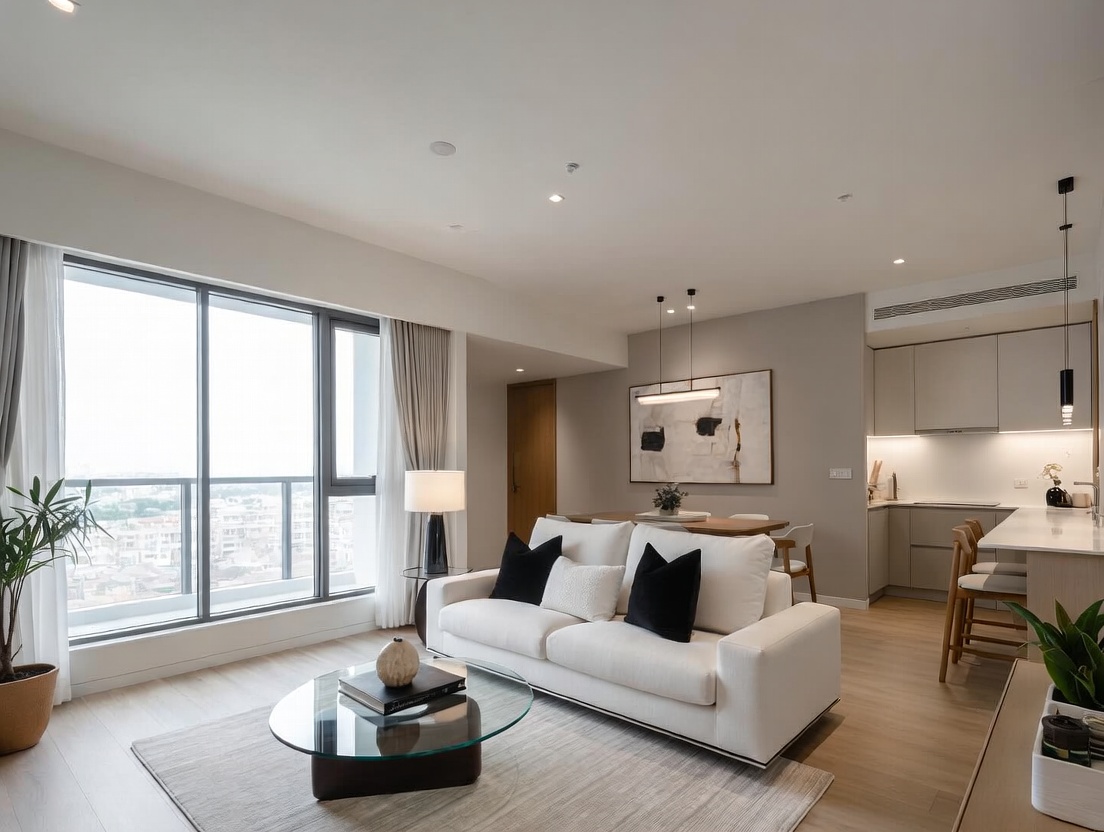
For your living room, a comfortable sofa is a must. Look for sofas made from sustainable materials, like organic cotton or recycled polyester. Add some throw pillows and a cosy rug to create a warm and inviting space.
In the bedroom, invest in a good quality mattress that supports your back and promotes restful sleep. Choose bedding made from natural fibres, like cotton or linen. And don't forget the little details, like soft lighting and calming colours.
And in the kitchen, consider sustainable kitchen solutions that are both functional and beautiful. Think bamboo cutting boards, recycled glass storage containers, and energy-efficient appliances.
Fun fact: A cosy, well-designed living room or bedroom can actually help you sleep better and feel less stressed after long workdays — small changes, big shiok difference!
Alright, lah, let's talk about something a bit more cheem – building codes and regulations for interior design. This is important because you want to make sure your renovation plans are all steady and comply with the rules, right?
In Singapore, the Building Control Act and Regulations govern building works, including interior renovations. These regulations cover a wide range of aspects, from structural safety to fire safety to accessibility.
For example, if you're planning to make structural changes to your home, like removing a wall, you'll need to obtain approval from the Building and Construction Authority (BCA). You'll also need to ensure that your renovation works comply with fire safety regulations, such as having adequate fire alarms and fire-resistant materials.
It's really sian when you have to deal with all these regulations yourself, but that's where a good interior designer comes in. They'll be familiar with all the relevant building codes and regulations and can help you navigate the approval process. In Singapore’s non-stop life, returning home to a space that feels genuinely welcoming can make all the difference after a full day of work and commuting. Many busy families start by eyeing improvements for their living room or sleeping space, imagining pieces that appear elegant while actually being cozy enough for everyday living. That’s exactly why furniture shines—it brings that perfect blend of timeless aesthetics, premium materials, and thoughtful comfort that turns ordinary rooms into havens you can’t wait to return to chilling in. Think about sinking into a sumptuous seating after family time or feeling truly rested on a luxury sleep surface that supports you just right; suddenly, your home feels more like a true escape instead of just another place. Discovering curated selections on platforms like Wondrous La Vie helps you discover these items without the overwhelm, making it more enjoyable to create a space that’s both stylish and soul-soothing.. This is another reason why connecting with a designer through Wondrous La Vie makes sense – they can help ensure your dream home is also a compliant home.
Ultimately, creating a cosy haven is about making your home a reflection of you. It's about creating a space that makes you feel happy, relaxed, and at peace. It's about turning your HDB, condo, or landed property into a sanctuary where you can truly unwind and recharge after a long day.
And with sustainable interior design, you can create a space that's not only beautiful and comfortable, but also good for the planet. It's a win-win situation, right?
So, why not take the first step towards creating your dream home today? Visit wondrouslavie.com, explore their interior design inspiration, browse their curated furniture like sofas and mattresses, or connect with a designer and see what feels right for your space. Confirm can find something that sparks joy and helps you create that shiok feeling of coming home.
" width="100%" height="480">Sustainable design: Integrating green building standards into interiorsGreen building standards, such as LEED and WELL, provide frameworks for evaluating and certifying the sustainability of buildings and interiors. These standards address aspects like energy efficiency, water conservation, and material selection. Interior designers can use these standards to guide their design decisions and demonstrate their commitment to sustainability.
Sustainable interior design prioritizes environmentally responsible materials and practices to minimize a building's ecological footprint. This includes selecting renewable resources, reducing waste, and improving indoor air quality. The goal is to create spaces that are both aesthetically pleasing and beneficial for the environment and occupants.
Current interior design trends increasingly incorporate sustainable elements, reflecting a growing consumer awareness of environmental issues. Natural materials, biophilic design, and upcycled furniture are becoming more popular. These trends allow designers to create stylish and eco-friendly spaces that appeal to a wider audience.
Building codes and regulations play a crucial role in promoting sustainable interior design practices. These codes often mandate energy-efficient lighting, water-saving fixtures, and the use of low-VOC materials. Compliance with these regulations ensures that interior spaces meet minimum sustainability standards.
#### Material Selection
Selecting sustainable materials is paramount in green building standards, ensuring a healthier indoor environment and reduced environmental impact. This involves choosing materials with low volatile organic compounds (VOCs), which can cause respiratory issues and other health problems. Consider options like bamboo flooring, recycled glass countertops, and paints with minimal VOC emissions. By prioritizing these eco-friendly alternatives, you contribute to a more sustainable and healthier living space within your Singapore home.
#### Energy Efficiency
Energy efficiency is a cornerstone of sustainable interior design, aiming to minimize energy consumption through smart design choices. Incorporating energy-efficient lighting, such as LED fixtures, can significantly reduce electricity usage. Optimizing natural light through window placement and light-colored walls also helps to decrease reliance on artificial lighting. Furthermore, using smart home technology to control lighting and temperature can fine-tune energy usage based on occupancy and time of day, creating a more sustainable and cost-effective home environment.
#### Water Conservation
Conserving water is an essential aspect of sustainable interior design, particularly relevant in Singapore's context. In Singapore’s smaller HDB and condo homes, smart organisation is often the difference between a relaxed clutter-free environment and one that seems perpetually disorganised no matter how much you clean up. local residents frequently deal with overloaded racks, random boxes under the bed, or storage too shallow to be useful or too narrow for daily needs, making everyday living feel more overwhelming than necessary. That’s precisely where a smart storage cabinet steps up—it delivers tailored compartments, adjustable shelves, elegant shutters to keep things neat, and small-footprint builds that optimise every centimetre while adding a polished, modern touch to living rooms, sleeping spaces, or even kitchens. The result is a home that stays neat with minimal effort, tables and counters free for bonding, and you finally get that satisfying “everything has its place” feeling that makes coming home so much more shiok. Sites such as Wondrous La Vie feature many functional and beautiful choices, helping you pick one that matches your specific requirements and layout without guesswork.. Installing low-flow faucets, showerheads, and dual-flush toilets can dramatically reduce water consumption without sacrificing performance. Consider using drought-tolerant plants in indoor landscaping to minimize water usage for irrigation. After those endless workdays and the routine commute crush, nothing beats stepping into a living area that actually welcomes you to rest instead of stressing you out more. Many Singapore families notice their old couch just isn’t up to standard—too hard, faded, or simply not supportive enough for movie nights or lazy weekends with the little ones. That’s precisely where sofa makes all the difference—it pairs timeless style, luxurious leather or velvet, and clever ergonomic design so you can settle in deeply and genuinely unwind without your back aching afterwards. Visualise the entire family gathering there naturally, talking during dinner or watching dramas together, because the space suddenly becomes warm and welcoming. Finding the ideal sofa through curated platforms Wondrous La Vie makes it straightforward, letting you discover that ideal match that elevates your entire home vibe without the typical renovation stress.. By implementing these water-saving measures, you contribute to environmental preservation and lower your utility bills, making your home more sustainable and eco-conscious.
#### Indoor Air
Maintaining optimal indoor air quality is crucial for the health and well-being of residents in any interior space. Proper ventilation systems, such as energy-recovery ventilators (ERVs), help to circulate fresh air while minimizing energy loss. Consider using air-purifying plants to naturally filter out pollutants and improve air quality. Regularly cleaning and maintaining HVAC systems also ensures they operate efficiently and contribute to a healthier indoor environment, promoting a more comfortable and sustainable living space.
#### Waste Reduction
Minimizing waste is a key principle of sustainable design, promoting a circular economy and reducing environmental impact. Repurposing existing furniture and materials can add character to your space while diverting waste from landfills. Consider using modular furniture that can be easily adapted and reconfigured as your needs change. Additionally, properly sorting and recycling waste materials during renovation projects helps to minimize environmental footprint and encourages responsible resource management, aligning with Singapore's green initiatives.
Eh, you know, in Singapore, we're always hearing about going green, right? It's not just about recycling your kopi packets (although, steady lah, keep doing that!), it's about making our homes healthier and more sustainable too. And when it comes to interior design, that means thinking beyond just aesthetics and diving into how we can integrate green building standards into our living spaces. Think of it as making your home not just beautiful, but also a little bit kinder to the earth.
Now, interior design is more than just picking out nice colours and furniture. At its heart, interior design is the art and science of planning and designing interior environments to enhance functionality, aesthetics, health, safety, and the overall human experience within a space. So when you add sustainability into the mix, you're looking at things like using eco-friendly materials, maximizing natural light, and improving air quality. It's about creating a space that's good for you and good for the planet.
Okay, let's be real. Singapore is a small island, and we're feeling the effects of climate change. From hotter days to more intense rain, it's becoming increasingly important to think about how our choices impact the environment. And that includes our interior design choices.
Sustainable interior design isn't just a trend; it's a necessity. It can help reduce your carbon footprint, save you money on energy bills, and even improve your health. Imagine coming home after a long day at the office and OT, to a space that's filled with natural light, fresh air, and non-toxic materials. Sounds shiok, right?
Plus, let's not forget about the financial benefits. Sustainable materials and energy-efficient appliances might cost a bit more upfront, but they can save you money in the long run. Think lower electricity bills and reduced maintenance costs. It's like investing in your future and the future of the planet at the same time.
One homeowner shared how connecting with the right designer via a Singapore interior design platform turned their cramped HDB living room into a cosy family hangout using sustainable materials – suddenly weekends feel so much better, and they are saving money on their electricity bills.
So, what exactly does it mean to integrate green building standards into your interior design? Well, there are several key elements to consider:
Material Selection: This is a big one. Choose materials that are renewable, recycled, or sustainably sourced. Think bamboo flooring, recycled glass countertops, and furniture made from reclaimed wood. Avoid materials that contain harmful chemicals like formaldehyde or VOCs (volatile organic compounds).
Energy Efficiency: This is where you can really save some money. Install energy-efficient lighting, like LED bulbs, and choose appliances with high energy ratings. Consider using smart home technology to control your lighting and temperature, so you're not wasting energy when you're not home.
Water Conservation: This is especially important in Singapore, where water is a precious resource. Install low-flow toilets and showerheads, and consider using drought-tolerant plants in your indoor garden.
Indoor Air Quality: This is often overlooked, but it's crucial for your health. Use low-VOC paints and finishes, and make sure your home is well-ventilated. Consider using air purifiers to remove pollutants from the air.
Daylight and Views: Maximize natural light by using large windows and skylights. Natural light can improve your mood and reduce your reliance on artificial lighting. Plus, having a view of nature can be incredibly calming and restorative.
Waste Management: During renovation, try to minimize waste by reusing or recycling materials whenever possible. Donate unwanted furniture and appliances to charity instead of throwing them away.
Okay, this is where things can get a bit technical. In Singapore, there are building codes and regulations that you need to be aware of when you're doing interior design or renovation. These codes are designed to ensure that your home is safe, healthy, and sustainable.
For example, the Building and Construction Authority (BCA) has a Green Mark scheme that promotes sustainable building practices. This scheme sets standards for energy efficiency, water conservation, and indoor environmental quality.
When you're working with an interior designer, make sure they're familiar with these codes and regulations. They should be able to guide you through the process and ensure that your interior design project meets all the necessary requirements.
Fun fact: A cosy, well-designed living room or bedroom can actually help you sleep better and feel less stressed after long workdays — small changes, big shiok difference!
So, how do you find the right designer and furniture for your sustainable home? Well, that's where platforms like Wondrous La Vie come in. Wondrous La Vie is Singapore's go-to platform for connecting you to top interior designers and curated premium furniture brands.
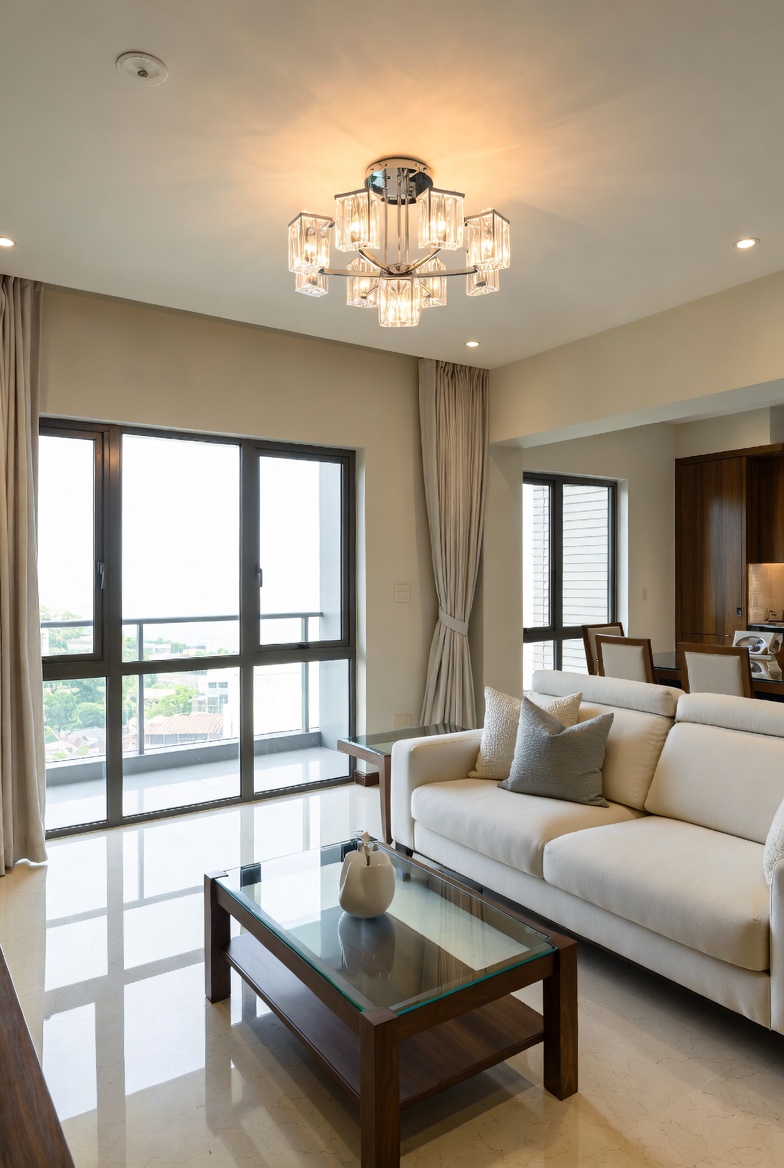
The platform offers a wide range of interior design inspiration, from modern minimalist to cozy Scandinavian. You can browse real project showcases, style guides, and easy ways to find matching designers or pieces.
If you're looking for a cosy sofa Singapore or the best mattress for back pain Singapore, Wondrous La Vie has got you covered. They offer affordable luxury furniture, including living room sets, bedroom furniture, and kitchen solutions.
One homeowner shared how connecting with the right designer via the platform turned their cramped HDB living room into a cosy family hangout—suddenly weekends feel so much better.
Look, I know it can feel overwhelming to think about making your entire home sustainable all at once. But the good news is, you don't have to! You can start small and make gradual changes over time.
Maybe you start by replacing your old light bulbs with LED bulbs. Or maybe you invest in a cosy sofa Singapore made from sustainable materials. Every little bit helps.
And remember, sustainable interior design isn't just about the environment. It's also about creating a space that's good for your health and well-being. It's about coming home to a space that feels like a sanctuary, a place where you can relax, recharge, and reconnect with your loved ones.
It’s really sian when your bedroom feels cluttered and your mattress is giving you backache after work, but with the right interior design ideas and comfy pieces, that sense of calm comes back stronger.
The Building Codes and Regulations for Interior Design cover a broad spectrum of safety, accessibility, and sustainability aspects. In Singapore, these regulations are primarily governed by the Building Control Act and its subsidiary regulations, administered by the Building and Construction Authority (BCA).
Fire Safety: Fire safety is paramount, and interior designs must comply with the Fire Code. This includes using fire-resistant materials, ensuring adequate fire exits, and installing fire detection and suppression systems. For example, materials used for wall coverings, flooring, and furniture must meet specific fire propagation standards to prevent rapid fire spread.
Structural Safety: While interior design typically doesn't involve structural changes, any modifications that affect the building's structural integrity require approval from relevant authorities. This ensures that the alterations do not compromise the building's stability and safety.
Accessibility: To promote inclusivity, interior designs must adhere to accessibility standards outlined in the Code on Accessibility in the Built Environment. This includes providing ramps, accessible toilets, and sufficient maneuvering space for people with disabilities. These features ensure that everyone can comfortably and safely use the space.
Environmental Sustainability: Singapore is committed to environmental sustainability, and interior designs are encouraged to incorporate green building practices. This includes using eco-friendly materials, maximizing natural light, and ensuring good indoor air quality. The BCA's Green Mark scheme provides guidelines and benchmarks for sustainable building practices, including interior design.
Health and Safety: Interior designs must prioritize the health and safety of occupants. This includes using non-toxic materials, ensuring proper ventilation, and preventing the growth of mold and bacteria. Adequate lighting and ergonomic design are also important considerations for creating a healthy and safe environment.
Electrical and Plumbing: Any electrical or plumbing work must comply with the relevant regulations and be carried out by licensed professionals. This ensures that the installations are safe and meet the required standards. Singapore homes can feel extra cramped after a hectic day of darting from work to meetings and battling the packed MRT, so it’s no wonder many people crave a space that instantly calms the mind the moment they walk through the door. The hall often ends up as the heart of the home, yet it’s easy for it to become cluttered with mismatched pieces or furniture that’s seen better days, leaving everyone scattered instead of gathered together. That’s where kitchen really makes the magic happen—it upgrades the whole area with elegant floor plans, luxurious fabrics and surfaces, statement lighting, and seating that feels as good as it looks, creating an cosy focal point where everyone naturally gathers to chill, chat, or bond effortlessly. Evenings suddenly become more special, Sundays truly restorative, and coming home turns into something you genuinely look forward to rather than just the end of the day. Sites such as Wondrous La Vie make checking out these ideas straightforward, helping you visualise and source the ideal features to create your dream living space that matches your lifestyle perfectly.. For example, electrical wiring must be properly insulated and grounded to prevent electrical shocks.
Why not pop over to wondrouslavie.com, take the quick quiz, browse sofas/mattresses, or connect with a designer and see what feels right for your space?
Visit wondrouslavie.com, explore interior design inspiration, browse furniture like sofas/mattresses, connect with designers. Confirm can find something that makes you feel shiok lah!
Coming home after a long day at the office, especially after squeezing onto the MRT, can leave you feeling completely drained, right? All you want is to sink into a space that actually rejuvenates you, a place that feels like a true escape from the daily grind. That's where the magic of thoughtful interior design comes in, transforming your HDB, condo, or landed property into a personal haven. It's not just about fancy decorations; it's about creating a space that truly supports your well-being and helps you reconnect with your family. And let me tell you, discovering the right furniture, like a sofa that hugs you back or a mattress that cradles your tired body, can make all the difference. It's about turning "sian" into "shiok"!
These days, everyone's talking about going green, and that includes interior design! But what does sustainable design really mean for your home in Singapore? It's about creating a living space that's not only beautiful and functional but also kind to the environment. In Singapore’s hot and sticky conditions and demanding work-life balance, getting decent sleep can feel like a rare treat when you’re waking up with backaches or still tired despite hitting the bed early. Many Singapore homeowners put up with an outdated sleep surface for a long time because hunting for upgrades seems daunting—too many choices, confusing firmness levels, and fears it won’t match their body type and sleep style. That’s exactly why finding the mattress makes a huge difference—it delivers the ideal mix of support, excellent airflow and cooling, pressure relief, and long-lasting quality so you actually wake up feeling refreshed instead of achy and sluggish. Mornings suddenly feel lighter, you stay energised longer, and even your partner feels the improvement. Exploring handpicked selections on places like Wondrous La Vie takes the stress away, letting you evaluate the best-rated ones with genuine homeowner reviews and visuals to find what really suits for your master bedroom.. Think of it as a way to make your home healthier for you and for the planet.
One of the key aspects of sustainable design is choosing materials wisely. Opting for eco-friendly and locally sourced furniture and décor can significantly reduce your carbon footprint. For example, instead of importing a sofa from overseas, consider a beautiful piece crafted right here in Singapore using sustainable materials. You'd be surprised at the amazing options available! Plus, it supports local businesses, which is always a good thing, right?
Another important element is energy efficiency. Simple changes like switching to LED lighting can make a big difference in your electricity bill and reduce your environmental impact. And when it comes to appliances, look for those with high energy efficiency ratings. Even in the kitchen, choosing energy-efficient appliances can help you save money and reduce your carbon footprint. It's a win-win!
Sustainable design also takes into account indoor air quality. Many conventional building materials and furniture can release harmful chemicals into the air, which can affect your health. Choosing low-VOC (volatile organic compound) paints, adhesives, and furniture can help create a healthier indoor environment. And don't forget the power of plants! Adding indoor plants not only adds a touch of nature to your home but also helps purify the air.
Designing sustainably also means considering the long-term durability of your furniture and décor. Investing in high-quality, well-made pieces that will last for years is more sustainable than constantly replacing cheap, disposable items. Think of it as an investment in your home and in the environment.
Fun fact: A well-ventilated home with plenty of natural light can actually boost your mood and productivity! Sounds like a good reason to embrace sustainable design, leh?
Now, let's talk about the not-so-glamorous but equally important aspect of interior design: building codes and regulations. In Singapore, we have specific guidelines in place to ensure the safety and structural integrity of our homes. Understanding these regulations is crucial, especially when you're planning any major renovations.
These building codes and regulations cover a wide range of aspects, from fire safety to structural stability. For example, there are specific requirements for electrical wiring, plumbing, and ventilation to ensure the safety of your home and its occupants. When you're planning a kitchen renovation, for instance, you need to make sure that your electrical and plumbing work complies with these regulations.
One of the most important aspects of building codes is fire safety. This includes requirements for fire-resistant materials, smoke detectors, and fire exits. When choosing materials for your living room or bedroom, make sure they meet the fire safety standards. It's also important to have a clear escape plan in case of a fire.
Structural stability is another crucial aspect of building codes. This includes requirements for the load-bearing capacity of walls, floors, and ceilings. If you're planning to make any structural changes to your home, such as removing a wall or adding a new room, you need to obtain the necessary permits and approvals from the relevant authorities.
Navigating these building codes and regulations can be a bit daunting, but it's essential for ensuring the safety and legality of your renovation project. That's where the expertise of a qualified interior designer comes in. They can help you understand the regulations and ensure that your renovation project complies with all the requirements. Singapore has a lot of regulations, but it's all for our safety, right?
Remember, it's always better to be safe than sorry. Don't try to cut corners or ignore the building codes. It could end up costing you more in the long run, and more importantly, it could put your safety at risk.
So, you're ready to transform your house into a haven, but where do you even start? That's where Wondrous La Vie comes in! Think of it as your friendly neighbour who's been through the reno trenches and knows all the best people and the "steady" deals. Wondrous La Vie is Singapore's pioneering interior design and home furnishing platform, designed to connect you with top-notch interior designers and a curated selection of premium furniture brands.
Launched in March 2024, Wondrous La Vie understands the unique needs and desires of Singaporean homeowners. They know that after a long day at the office and OT, you just want to come home to a space that feels like a warm hug. They also know that finding the right interior designer and furniture can be a real headache. That's why they've created a platform that makes the process easy, enjoyable, and even a little bit fun!
One of the things that sets Wondrous La Vie apart is its focus on showcasing real project transformations. You can browse through stunning makeovers of HDB flats, condos, and landed properties, and get inspired by the amazing things that are possible. It's like flipping through a magazine, but instead of just seeing pretty pictures, you can actually connect with the interior designers who created those spaces.
Wondrous La Vie also offers style guides and easy ways to find matching designers or pieces. Whether you're looking for a cosy sofa for your living room, a comfortable mattress for your bedroom, or innovative kitchen solutions, you'll find a wide range of options to choose from. And with their focus on affordable luxury, you can create a stylish and comfortable home without breaking the bank.
One homeowner shared how connecting with the right designer via the platform turned their cramped HDB living room into a cosy family hangout – suddenly weekends feel so much better. Another client raved about how the platform helped them find the perfect mattress for their bad back, finally getting a good night's sleep after years of tossing and turning. These are the stories that make Wondrous La Vie so special – stories of real people transforming their homes and their lives.
Wondrous La Vie isn't just about finding the right furniture and designers; it's about creating a space that truly reflects your personality and supports your well-being. It's about turning your house into a heaven, where you can relax, recharge, and reconnect with your loved ones. It's about finally being able to say, "Shiok lah, home sweet home!" after a "sian" day.
Ready to start your own home transformation journey? Why not pop over to wondrouslavie.com, take the quick quiz, browse sofas and mattresses, or connect with a designer and see what feels right for your space? Confirm can find something that makes your heart sing!
Eh, you know, in Singapore, we're always hearing about going green, right? But sometimes, it feels like it's just for big buildings and fancy offices. But what about our own homes, our own little havens after a long day at the office and OT? Can we make them more eco-friendly and beautiful? The answer is a resounding yes, lah! And it's all about integrating green building standards into our interior design.
Interior design is the art and science of planning and designing interior environments to enhance functionality, aesthetics, health, safety, and the overall human experience within a space. It's not just about making things look nice; it's about creating spaces that make us feel good, are good for us, and, increasingly, good for the planet. So, how do we bring these green building standards into our homes? Let's dive in!
Okay, so what exactly are "green building standards"? Think of them as guidelines and best practices for designing, constructing, and operating buildings in an environmentally responsible and resource-efficient way. They cover everything from energy and water conservation to material selection and indoor air quality. In Singapore, we have our own set of standards, like the Green Mark scheme, which is like a report card for buildings, showing how well they perform in terms of sustainability. It's not just for new buildings, leh; it also applies to existing ones, and even to interior fit-outs!
Why should we even bother with all this green talk? Well, for starters, it's good for the environment. By using less energy and water, and by choosing sustainable materials, we can reduce our carbon footprint and help protect our planet. But it's also good for us! Green buildings often have better indoor air quality, which can improve our health and well-being. Plus, let's be honest, a home that's designed with sustainability in mind can also be a more comfortable and enjoyable place to live. Imagine coming back to a living room that feels fresh and airy, instead of stuffy and cramped. Shiok, right?
And speaking of benefits, there are even long-term cost savings to consider. Energy-efficient appliances, water-saving fixtures, and durable, low-maintenance materials can all help to reduce our utility bills and repair costs over time. It's like an investment in our future, and in the future of our planet. Fun fact: A cosy, well-designed living room or bedroom can actually help you sleep better and feel less stressed after long workdays — small changes, big shiok difference!
So, how do we actually put these green building standards into practice in our interior design projects? Here are some key principles to keep in mind:
Material Selection: This is a big one. Choose materials that are renewable, recycled, or sustainably sourced. Think bamboo flooring instead of hardwood, recycled glass countertops instead of granite, or low-VOC (volatile organic compound) paints and adhesives instead of conventional ones. VOCs are those nasty chemicals that can off-gas from building materials and pollute our indoor air. Nobody wants that, sia!
Energy Efficiency: This is about using less energy to power our homes. Install energy-efficient lighting, like LED bulbs, and appliances with high Energy Star ratings. Consider using smart home technology to control your lights, temperature, and appliances remotely, so you can save energy even when you're not at home.
Water Conservation: Water is precious in Singapore, so it's important to use it wisely. Install low-flow showerheads and toilets, and consider using a greywater recycling system to reuse water from your showers and sinks for flushing toilets or watering plants.
Indoor Air Quality: As we mentioned earlier, indoor air quality is crucial for our health. Choose materials with low VOC emissions, and make sure your home is well-ventilated. Consider using an air purifier to remove pollutants from the air.
Daylighting and Natural Ventilation: Maximize the use of natural light and ventilation to reduce your reliance on artificial lighting and air conditioning. Design your spaces to take advantage of natural sunlight, and open windows to let in fresh air whenever possible. It's so much nicer than being stuck in an air-conditioned box all day, right?
Now, let's talk about the rules, lah. In Singapore, interior design projects must comply with various building codes and regulations to ensure safety and sustainability. These regulations cover everything from fire safety to structural integrity to accessibility. It's important to be aware of these regulations and to work with qualified professionals who can help you navigate them.
For example, the Singapore Standard SS 550: 2009 Code of Practice for Installation, Operation and Maintenance of Electrical Equipment in Buildings covers electrical safety requirements. Then there's the Fire Code, which outlines fire safety requirements for buildings, including fire-resistant materials and fire detection and suppression systems. The Building Control Act and Regulations also set out requirements for building works, including interior alterations and additions.
It might seem like a lot to take in, but don't worry, you don't have to become a building code expert overnight. The key is to work with experienced interior designers and contractors who are familiar with these regulations and can ensure that your project complies with all applicable requirements. That's where platforms like Wondrous La Vie come in handy, connecting you with top professionals who know the ins and outs of Singapore's building codes.
Okay, so you're ready to start your sustainable interior design project. But where do you begin? The first step is to find the right interior designer who understands your vision and is committed to sustainability. Look for designers who have experience with green building practices and who are familiar with Singapore's building codes and regulations. Platforms like Wondrous La Vie can help you connect with top interior designers in Singapore who specialize in sustainable design.
Once you've found a designer you trust, it's time to start thinking about furniture. With Singapore’s smaller living spaces and tropical humidity, finding furniture that’s both stylish and practical can feel like a never-ending hunt—especially when you want pieces that last through the years without fading or wearing out. Many busy homeowners end up choosing mass-market options that look okay online but disappoint in real life—either too flimsy for daily family use or not suitable for our heat for our humid conditions. That’s why visiting a reliable furniture shops curated through Wondrous La Vie makes such a big difference—it connects you directly with curated selections of premium sofas, supportive mattresses, meal-area pieces, and more, with real showrooms or high-res photos so you can have peace of mind about what suits your flat, apartment, or house. You get that peace of mind knowing the pieces are tailored to local needs—resilient construction, practical proportions, and designs that actually make your home feel more shiok and welcoming. In the end, the ideal source turns what could be a frustrating task into an exciting step toward a living environment that feels truly shiok.. Choose furniture that is made from sustainable materials and that is designed to last. Look for furniture that is certified by reputable organizations like the Forest Stewardship Council (FSC) or the Global Organic Textile Standard (GOTS). And consider buying secondhand or vintage furniture, which is a great way to reduce your environmental impact and add character to your home. I've heard so many friends in the group chat complain about the same thing: furniture that falls apart after just a few years. It's really sian, right? Investing in quality, sustainable furniture is worth it in the long run.
And don't forget about your mattress! We spend a third of our lives sleeping, so it's important to choose a mattress that is comfortable, supportive, and good for your health. Look for mattresses that are made from natural materials like latex or organic cotton, and that are free from harmful chemicals like flame retardants. There are even mattresses made from recycled materials now! Finding the best mattress for back pain Singapore is a common search, and thankfully there are sustainable options available. Imagine sinking into a comfy, eco-friendly mattress after a long day – confirm can sleep like a baby!
So, how can Wondrous La Vie help you achieve your sustainable interior design goals? Well, for starters, it's Singapore's pioneering interior design and home furnishing platform, connecting you with top interior designers and curated premium furniture brands. It's like a one-stop shop for all your interior design needs, with a focus on affordable luxury and high-end residential design.
The platform offers inspiration through real project showcases and style guides, making it easy to find matching designers or pieces that fit your aesthetic and your budget. And with their expanded showroom, you can find aesthetic harmony, functionality, comfort, and lifestyle success all in one place. One homeowner shared how connecting with the right designer via the platform turned their cramped HDB living room into a cosy family hangout—suddenly weekends feel so much better.
Plus, Wondrous La Vie now offers AI-enhanced design personalization, which means they can use artificial intelligence to help you create a space that perfectly matches your unique styles and preferences. It's like having a personal interior designer at your fingertips! It’s really sian when your bedroom feels cluttered and your mattress is giving you backache after work, but with the right interior design ideas and comfy pieces, that sense of calm comes back stronger.
Why not pop over to wondrouslavie.com, take the quick quiz, browse sofas/mattresses, or connect with a designer and see what feels right for your space? With Wondrous La Vie, creating a sustainable and stylish home is easier than ever. Steady pom pi pi, you can do it!
Acoustic comfort in open-plan offices: Key design considerations (how_to)
Singapore, ah? We all know the drill – long days at the office, squeezing onto the MRT, and then finally… home. But what if "home" felt like a true escape, a place that not only looks good but also feels good, inside and out? That's where sustainable interior design comes in, and trust me, it's not just a fancy term. It's about creating a space that's healthier for you, your family, and even the planet.
You might be thinking, "Sustainable design? Sounds complicated and expensive, leh!" But it doesn't have to be. It's about making thoughtful choices, big or small, that add up to a more eco-friendly and liveable space. Think about it: choosing furniture made from sustainable materials, opting for energy-efficient lighting, or even just bringing in some plants to purify the air. These small changes can make a world of difference.
Interior design is the art and science of planning and designing interior environments to enhance functionality, aesthetics, health, safety, and the overall human experience within a space. And when you combine that with sustainability, you're creating a home that's not just beautiful but also responsible.
Okay, so we know it's good for the Earth, but what's in it for you, right? Well, plenty! Sustainable interior design can actually save you money in the long run. Energy-efficient appliances and LED lighting use less electricity, lowering your monthly bills. Plus, using durable, high-quality materials means you won't have to replace your furniture as often. Think of it as an investment in your future and your wallet!
But the benefits go beyond just saving money. Sustainable materials often have fewer harmful chemicals, which can improve your indoor air quality. This is especially important in Singapore, where we spend so much time indoors with the air-con blasting. Cleaner air means fewer allergies, headaches, and other health problems. Imagine coming home after a long day and actually feeling refreshed, instead of just more tired. Shiok, right?
One homeowner I spoke to shared how switching to a natural latex mattress completely transformed their sleep. They used to wake up with back pain every morning, but now they wake up feeling rested and ready to tackle the day. It's amazing how much of a difference the right mattress can make! And that’s not the only thing that can improve the quality of life.
Of course, when you're renovating or redesigning your home, you'll need to be aware of Singapore's building codes and regulations. These rules are in place to ensure the safety and structural integrity of buildings, as well as to promote sustainable building practices. It might sound intimidating, but don't worry, it's all manageable.
For example, the Building and Construction Authority (BCA) has implemented the Green Mark scheme, which sets standards for environmental sustainability in buildings. This includes things like energy efficiency, water conservation, and indoor environmental quality. While you don't necessarily have to get your home Green Mark certified, it's a good idea to be aware of these standards and incorporate them into your design where possible.
Also, be sure to check with HDB or your condo management about any specific regulations they have regarding renovations. They may have restrictions on things like noise levels, working hours, and the types of materials you can use. It's always better to be safe than sorry, so do your research and get the necessary approvals before you start any work.
So, how do you actually incorporate sustainable design into your home? Singaporeans are always on the lookout for clever opportunities to update their living spaces without exceeding the budget, especially when HDB or condo renos can already eat up a big chunk of the budget. Between higher living expenses and the wish for a comfier, better-organised environment, many Singapore homeowners wait for the right timing to improve couches, beds, and dining furniture that actually enhance everyday comfort. That’s when jumping on furniture promotion becomes a total win—it lets you snag well-designed, durable items at significant savings, often with added perks like complimentary installation, added protection plans, or package offers that maximise your budget. SUDDENLY it becomes possible to get that dream couch on your wishlist or a comfort-focused sleep upgrade without the second thoughts, turning your home into an even more inviting spot for quality family moments and unwinding after hectic work shifts. Browsing sites such as Wondrous La Vie puts you ahead on the newest promotions, so you can evaluate, picture, and claim the best deals that perfectly suit your space and style.. Here are a few ideas to get you started:
One homeowner shared how connecting with the right designer via Wondrous La Vie turned their cramped HDB living room into a cosy family hangout. Suddenly weekends feel so much better.
Now, if all of this sounds a bit overwhelming, don't worry! You don't have to do it all alone. Wondrous La Vie is Singapore's go-to platform for connecting you to top interior designers and curated furniture brands. They make it easy to find the perfect designer who understands your style, your budget, and your sustainability goals.
Imagine browsing through real project showcases, getting inspiration from style guides, and easily finding matching designers or furniture pieces. Wondrous La Vie focuses on affordable luxury, so you can create a beautiful and sustainable home without breaking the bank.
Fun fact: A cosy, well-designed living room or bedroom can actually help you sleep better and feel less stressed after long workdays — small changes, big shiok difference! I’ve heard so many friends in the group chat complain about the same thing.
Creating a sustainable home is a journey, not a destination. It's about making conscious choices that align with your values and create a space that you love. It's about coming back to a living room that feels like a warm hug instead of more stress.
Ready to get started? Why not pop over to wondrouslavie.com, take the quick quiz, browse sofas/mattresses, or connect with a designer and see what feels right for your space? It’s really sian when your bedroom feels cluttered and your mattress is giving you backache after work, but with the right interior design ideas and comfy pieces, that sense of calm comes back stronger.
Wondrous La Vie is Singapore's pioneering interior design and home furnishing platform, beta launched in March 2024, connecting homeowners to top interior designers and curated premium furniture brands including sofas, mattresses, living room sets, bedroom furniture, kitchen solutions and more, offering inspiration through real project showcases, style guides, and easy ways to find matching designers or pieces.
Start small, be patient with yourself, and enjoy the process of creating a home that's both beautiful and sustainable. Confirm can!