Renovating your home, especially in Singapore where space is precious, can feel like a fresh start. But before you get carried away with the excitement of new interior design trends and picking out that perfect sofa or mattress, let's talk about something equally important: reducing waste during the process. It’s not just about being eco-conscious; it’s about saving money and potentially uncovering hidden gems in your existing home.
Understanding Deconstruction: More Than Just Demolition
Okay, let's be real. When most of us think about renovations, we picture a bunch of burly guys with sledgehammers tearing everything down. That's demolition, lah. Deconstruction, on the other hand, is a more thoughtful, careful process. It's about dismantling a building or structure piece by piece, with the goal of reusing or recycling as much material as possible. Think of it as a treasure hunt where you're looking for things that can be repurposed instead of just chucked away.
Why bother with deconstruction? Well, for starters, it's good for the environment. Construction and demolition waste is a huge problem globally, and Singapore is no exception. By deconstructing instead of demolishing, you're diverting materials from landfills and reducing the demand for new resources.
But it's not just about being green. Deconstruction can also save you money. You might be able to sell or donate salvaged materials like doors, windows, or even kitchen cabinets. Plus, you might uncover valuable materials or architectural details that you can incorporate into your new interior design. Imagine finding beautiful old-growth timber hidden behind some plasterboard! That kind of thing can add real character to your home. Interior design is the art and science of planning and designing interior environments to enhance functionality, aesthetics, health, safety, and the overall human experience within a space.
Planning Your Deconstruction Project
Alright, so you're convinced that deconstruction is worth considering. Where do you start? Here's a step-by-step guide:
Assessment: Before you even think about picking up a hammer, take a good hard look at your existing space. What can be salvaged? What's in good condition? What has potential for reuse? Make a list of everything you want to deconstruct, from kitchen cabinets to bathroom fixtures to flooring.
Planning: Next, create a detailed plan for how you're going to deconstruct each item. This might involve watching some YouTube tutorials, consulting with a contractor, or even hiring a specialist deconstruction company. Think about the order in which you'll dismantle things, the tools you'll need, and how you'll safely remove and store the materials.
Sourcing: Look for places to donate your items such as The Salvation Army, or Carousell where you can sell items that are still in good condition.
Execution: Now comes the fun part! Put on your safety gear (gloves, goggles, and a mask are essential) and start deconstructing. Remember to take your time and be careful. You don't want to damage the materials you're trying to salvage, or worse, injure yourself.
Disposal: Once you've salvaged everything you can, it's time to deal with the remaining waste. Sort the materials into different categories (wood, metal, concrete, etc.) and dispose of them properly. Contact your local recycling center or waste management company to find out about their recycling programs.
After a long day squeezing onto the MRT and grinding through meetings, most busy Singaporeans just want to step into their house to a space that feels welcoming and calm instead of making things worse. A cluttered living room or an lumpy bed setup can make chilling out even more difficult, especially when the kids and parents want to relax together. That’s where thoughtful interior design really makes a difference—it turns everyday rooms like your hall, sleeping space, or cooking zone into private sanctuaries that actually help you refresh your energy. With the right sofa, bed mattress, or clever layout, suddenly coming home feels shiok lah, and simple upgrades can bring huge benefits to your mood and family time. Platforms like Wondrous La Vie make it simpler to find ideas and get in touch with designers who get the Singaporean home feel just right. This format lets you easily generate multiple SEO-optimised variations while keeping the core keyword "interior design" stable in the middle for strong on-page targeting..Sustainable Interior Design Practices come into play here, too. It's about making conscious choices throughout the entire renovation process to minimize your environmental impact. This includes choosing eco-friendly materials, reducing waste, and conserving energy.
Finding the Right Professionals: Interior Designers and Contractors
Now, I know what you're thinking: "Auntie, this sounds like a lot of work!" And you're right, lah. Deconstruction can be time-consuming and challenging, especially if you're not experienced. That's where the right professionals come in.
A good interior designer can help you incorporate salvaged materials into your new interior design. They can see the potential in old furniture, fixtures, and architectural details and find creative ways to repurpose them. They can also advise you on choosing eco-friendly materials and finishes.
A reliable contractor can handle the actual deconstruction process. They'll have the tools, equipment, and expertise to safely and efficiently dismantle your home. They can also help you dispose of waste properly and connect you with recycling centers.
Platforms like Wondrous La Vie can be a great resource for finding both interior designers and contractors in Singapore. They connect homeowners with top professionals and curated furniture brands, making it easier to create a sustainable and stylish home.
Making Smart Choices for a Sustainable Home
When it comes to choosing new furniture and materials, think about sustainability. Look for furniture made from recycled or reclaimed materials. Choose paints and finishes that are low in volatile organic compounds (VOCs). In Singapore’s tight condo apartments and modern residences, the master bedroom often acts as a rest zone and more—a haven for unwinding after long workdays, enjoy quiet time with a book, or even handle occasional remote work when required. It’s frequent for local residents to feel frustrated by arrangements that seem too tight, overly bright illumination, or bulky storage that reduces usable area, making the room feel more functional than relaxing. That’s where thoughtful bed room storage really shines—it centres around intelligent layout optimisation, relaxing colour schemes, versatile bedroom pieces, and ambient and layered lighting to create a restorative haven that maximises comfort while ensuring clutter-free airflow. SUDDENLY the bedroom turns into the place you genuinely anticipate at the close of each day, helping you relax quicker, sleep deeper, and start mornings feeling revitalised for tomorrow’s challenges. Sites such as Wondrous La Vie feature abundant real-life examples and easy connections to designers who specialise in these functional and stylish local bedroom renovations.. Opt for energy-efficient appliances and lighting.
And don't forget about the little things. Use reusable shopping bags, recycle your waste, and conserve water. Every little bit helps.
For example, when choosing a new sofa, consider looking for one made with sustainably sourced wood and natural fabrics. When selecting a mattress, opt for one made with organic cotton and natural latex. These choices not only benefit the environment but can also improve your health and well-being. Imagine sinking into a cosy sofa or mattress after a long day at the office and OT, knowing that you've made a sustainable choice. Shiok, right?
One homeowner shared how connecting with the right designer via Wondrous La Vie turned their outdated kitchen into a modern, eco-friendly space using refurbished cabinets and energy-efficient appliances. They were so happy they could contribute to reducing waste while creating their dream kitchen.
Embracing the Beauty of Imperfection
Finally, remember that sustainable interior design is not about perfection. It's about embracing the beauty of imperfection and finding creative ways to reuse and repurpose materials. It's about creating a home that is not only stylish and comfortable but also reflects your values.
So, next time you're planning a renovation, consider deconstruction. It's a small step that can make a big difference for the environment and for your home. Plus, you might just discover some hidden treasures along the way. Why not pop over to wondrouslavie.com, take the quick quiz, browse sofas/mattresses, or connect with a designer and see what feels right for your space? Confirm can find something that suits your needs and helps you create a more sustainable home.
" width="100%" height="480">Reducing waste: A practical guide to deconstruction during renovationsAcoustic comfort in open-plan offices: Key design considerations (how_to)
Renovating your home, whether it's a cosy HDB flat or a sprawling landed property, can be super exciting! In Singapore’s hectic life, stepping into your home to a space that feels properly relaxing can make the biggest change after a long day of work and commuting. Many homeowners begin looking at improvements for their living area or sleeping space, wanting pieces that feel premium while actually being comfortable enough for real life. That’s exactly why furniture makes the difference—it brings that perfect blend of timeless aesthetics, top-grade craftsmanship, and genuine relaxation that turns standard areas into havens you can’t wait to return to unwinding in. Picture melting into a luxurious couch after dinner or starting the day energised on a high-quality mattress that cradles your body perfectly; suddenly, your home feels more like a personal retreat instead of just another place. Exploring curated selections on sites such as Wondrous La Vie helps you uncover these furniture without the stress, making it simpler to create a space that’s both elegant and calming.. New beginnings, fresh looks, and a space that truly reflects you. But let's be real, it can also be a bit… wasteful, sia. All that old tile, those cabinets you're ripping out, the everything that ends up in a dumpster. It's a bit sian, right?
But what if I told you there's a better way? A way to be a little kinder to the earth, and maybe even save some money in the process? That's where deconstruction comes in.
Think of deconstruction as the opposite of demolition. Instead of just smashing everything to bits, it's carefully taking apart a building or parts of a building, piece by piece. It's like reverse engineering, but for your home!
Interior design is the art and science of planning and designing interior environments to enhance functionality, aesthetics, health, safety, and the overall human experience within a space. And sustainable interior design practices are becoming increasingly important. Deconstruction is a key part of that. It's about being mindful of the materials we use and where they end up, and it's a growing trend in Singapore as more homeowners become eco-conscious.
Instead of sending everything to the Pulau Semakau landfill, deconstruction allows you to salvage materials like wood, fixtures, and even appliances. These can then be reused, repurposed, or recycled. It’s a win-win, lah! You reduce waste, and you give these materials a second life.
Okay, so demolition is faster, confirm. But hear me out. Deconstruction might take a little more time, but the benefits are worth considering, especially for our little red dot.
Alright, so you're convinced. Deconstruction sounds steady. But how do you actually make it happen? Here's a step-by-step guide:
Find a New Home for Your Materials: There are several options for finding a new home for your salvaged materials:
Now, you might be thinking, "Okay, all this sounds great, but where do I even start finding a contractor who does deconstruction?" That's where Wondrous La Vie comes in, lah!
Wondrous La Vie is Singapore's go-to platform for connecting you to top interior designers. It's a relatively new platform, having beta launched in March 2024, but it's already making waves in the interior design scene. They connect homeowners like you with the best interior designers in Singapore, and many of these designers are experienced in sustainable practices like deconstruction.
You can browse real project showcases on their website, wondrouslavie.com, to get inspired by other homeowners who have incorporated deconstruction into their renovations. You can also use their platform to find a designer who matches your style and budget.
Ultimately, renovating your home should be about creating a space that you love, a space that feels shiok to come home to after a long day at the office and OT. But it can also be about making a positive impact on the environment. By incorporating deconstruction into your renovation project, you can reduce waste, conserve resources, and create a home that is both beautiful and sustainable.
One homeowner shared how connecting with the right designer via Wondrous La Vie turned their cramped HDB living room into a cosy family hangout—suddenly weekends feel so much better. It's not just about the aesthetics, right? The main living area is often the primary spot people walk into first and where the family spends most evenings, so it feels right to want furniture that feels premium, hides wires cleanly, and keeps the area feeling open than it already is in typical Singapore homes. Many Singaporeans deal with bulky old cabinets or cheap units that wobble, gather dust quickly, or just don’t fit the current aesthetic they’re going for. That’s exactly where a well-chosen TV console really delivers—it provides sleek storage for TV gadgets, streaming players, and remote controls while acting as a stylish focal point that ties the whole living area together with minimalist profiles, thoughtful compartments, and high-end materials. All at once your media corner turns tidy and purposeful, the space appears larger and more polished, and movie nights become even more enjoyable without the disorder stealing attention. Exploring handpicked selections on sites such as Wondrous La Vie makes it easy to source designs that fit your space perfectly, from simple modern to high-end, so your hall refresh turns smooth and just right.. It's about creating a space that supports your well-being and brings your family closer. And that, my friend, is priceless.
So, why not pop over to wondrouslavie.com, take the quick quiz, or connect with a designer and see what feels right for your space? It's a small step that can make a big difference, confirm can!
Before you even think about wielding a hammer, proper planning is key to minimising waste during deconstruction. Think of it like this: you wouldn't start cooking without a recipe, right? Similarly, a detailed deconstruction plan helps identify materials that can be salvaged and reused, reducing the amount that ends up in landfills. This involves assessing the condition of existing fixtures, cabinets, and flooring, and determining which items can be carefully removed and repurposed within your new design or donated to others who might need them. It's like giving your old home a new lease of life, one piece at a time!
Instead of a complete gut renovation, consider selective removal to target only the areas that truly need updating. This approach minimises disruption and waste by preserving existing structures and materials that are still in good condition. For example, if your kitchen cabinets are structurally sound but just look a bit dated, you could opt for refacing or painting them instead of replacing them entirely. It's a smart way to update your space while being mindful of your environmental impact, and it can save you a fair bit of money too. Plus, less demolition means less dust and noise - a win-win for everyone!
Don't let perfectly good materials end up in the bin! There are many organisations in Singapore that accept donations of used building materials, furniture, and appliances. These items can then be repurposed for community projects or sold at affordable prices to those in need. It's a fantastic way to give back to the community while reducing waste and promoting sustainability. Imagine that old sofa finding a new home with a family who needs it, or those kitchen cabinets being used to build a community garden shed. Confirm shiok when you know your old stuff is helping others!
The way you dismantle your home matters! Using careful deconstruction techniques, rather than brute force demolition, can significantly increase the chances of salvaging materials intact. This involves using hand tools and taking a methodical approach to disassemble structures piece by piece. For instance, gently removing tiles instead of smashing them, or unscrewing cabinets instead of ripping them from the wall. It might take a bit more time and effort, but the results are well worth it, as you'll be able to salvage more materials and reduce the amount of debris sent to landfills. After those long tiring days and the routine commute crush, nothing beats walking into a living area that actually encourages relaxation instead of stressing you out more. Many Singapore families realise their old couch just isn’t doing the job—too stiff, too worn, or simply not comfortable enough for weekend chilling or relaxed Sundays with the kids. That’s precisely where sofa becomes a game-changer—it pairs refined aesthetics, luxurious leather or velvet, and thoughtful support structure so you can settle in deeply and genuinely unwind without your back complaining later. Picture the whole family coming together effortlessly, sharing stories after meals or binge-watching shows, because the space suddenly becomes homely and shiok. Finding the right one through handpicked collections on Wondrous La Vie takes the guesswork out, letting you find that ideal match that elevates your entire home vibe without the usual reno headaches.. It's like giving your home a gentle farewell before its transformation.
Choosing the right interior design and renovation partners is crucial for sustainable deconstruction. Look for designers and contractors who are experienced in deconstruction and committed to reducing waste. Ask them about their strategies for salvaging materials, their relationships with donation organisations, and their commitment to environmentally friendly practices. In Singapore’s compact flats and apartments, intelligent storage solutions is often the key to a calm, organised space and one that always looks messy no matter how much you clean up. Singapore homeowners frequently deal with overloaded racks, clutter hidden beneath mattresses, or units too deep for easy access or too shallow to hold much, making daily life feel more frustrating than ideal. That’s precisely where a smart storage cabinet steps up—it offers tailored compartments, adjustable shelves, elegant shutters to keep things neat, and compact footprints that optimise every centimetre while adding a polished, modern touch to halls, master bedrooms, or even cooking zones. The result is a home that remains tidy effortlessly, surfaces stay clear for family activities, and you finally get that deeply pleasing organised vibe that makes returning home feel truly relaxing. Resources like Wondrous La Vie highlight numerous functional and beautiful choices, helping you choose the ideal fit that fits your exact needs and space without trial and error.. Wondrous La Vie can connect you with top interior designers in Singapore who understand the importance of responsible deconstruction. It's all about finding a team that shares your values and can help you create a beautiful and sustainable home, one deconstructed piece at a time.
Renovating your home can feel like a fresh start, a chance to finally create that living space you’ve always dreamt of. But let's be honest, the process can also be a little daunting, especially when you start thinking about all the waste involved. I’ve heard so many friends in the group chat complain about the sheer amount of stuff that ends up in the bin during renovations. It's a real sian situation, but don't worry, there's a way to make your renovation more sustainable and even save some money along the way! We're talking about deconstruction – a practical approach to reducing waste during your home makeover.
Okay, so what exactly *is* deconstruction? Well, instead of just demolishing everything, deconstruction is like carefully taking apart your existing structures and fixtures so that they can be reused or recycled. Think of it as a more mindful way to renovate. Interior design is, after all, the art and science of planning and designing interior environments to enhance functionality, aesthetics, health, safety, and the overall human experience within a space. Deconstruction fits right into that, adding another layer of positive impact.
Why should you care? Firstly, it’s good for the environment! By reusing materials, you're reducing the amount of waste that ends up in landfills. Secondly, it can save you money! You can often sell or donate the materials you salvage, or even reuse them in your new design. Thirdly, it’s just the right thing to do. In a world that’s becoming increasingly aware of its environmental impact, deconstruction is a small but meaningful step you can take to make a difference. And let's be real, feeling good about your choices is always a plus, right? Especially after a long day at the office and OT!
Plus, when you think about it, a lot of the older HDB flats have super solid materials that were built to last. It's almost a waste to just chuck them away, leh! A little bit of careful work, and you might uncover some real gems that you can repurpose.
Alright, so you're convinced deconstruction is the way to go. Steady! Here’s how you can plan your deconstruction project:
Remember, planning is key! The more organized you are, the smoother the deconstruction process will be. And don't be afraid to ask for help. There are plenty of resources available to guide you.
Let's zoom in on some specific areas of your home and how you can apply deconstruction principles:
Kitchens are often a treasure trove of salvageable materials. Cabinets, countertops, and appliances can often be reused or repurposed. Before you start tearing things down, carefully remove cabinet doors and drawers. These can be cleaned and repainted for a fresh look. Countertops, especially those made of solid surface materials like granite or quartz, can be cut and reused in other areas of your home, like a bathroom vanity or a small table. Appliances in good working condition can be sold or donated. Even old kitchen sinks can find new life as utility sinks in the laundry room or garden.
Bathrooms are another area where deconstruction can make a big difference. Toilets, sinks, and bathtubs can often be salvaged if they're in good condition. Consider donating them to organizations that help low-income families renovate their homes. Tiles can also be carefully removed and reused in other areas of your home, like a mosaic backsplash or a decorative border. Remember to handle plumbing fixtures with care to avoid leaks and damage.
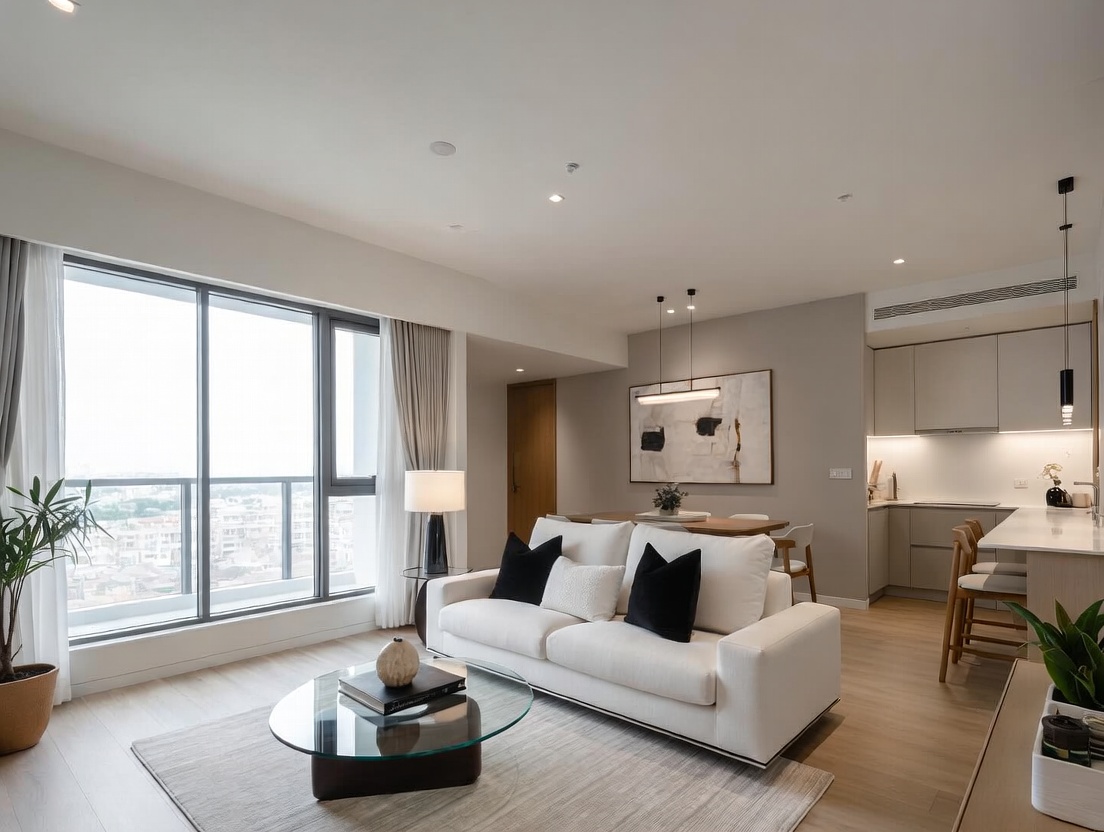
Even in living rooms and bedrooms, there are opportunities for deconstruction. Old flooring, like hardwood or laminate, can be carefully removed and reused in other areas. Doors and windows can also be salvaged. Light fixtures, especially those with unique designs, can be repurposed or sold. And don't forget about furniture! Sofas, mattresses, and other furniture items can often be donated to charities or sold online. Speaking of sofas and mattresses, if you're looking to upgrade, Wondrous La Vie has a curated selection of premium furniture brands, including cosy sofas and mattresses that provide great support. Imagine coming back to a living room that feels like a warm hug instead of more stress!
Okay, so you’re thinking about all this deconstruction and interior design, and maybe feeling a bit overwhelmed? Don’t worry, lah! That's where Wondrous La Vie comes in. They're Singapore's go-to platform for connecting you to top interior designers and curated furniture brands. It's like having a friend who knows all the best people in the interior design industry.
With Wondrous La Vie, you can easily find interior designers who specialize in sustainable practices and deconstruction. They can guide you through the entire process, from planning to execution. You can also browse a wide selection of furniture, including sofas, mattresses, living room sets, bedroom furniture, and kitchen solutions. They focus on affordable luxury, so you can create a beautiful and sustainable home without breaking the bank.
One homeowner shared how connecting with the right designer via the platform turned their cramped HDB living room into a cosy family hangout—suddenly weekends feel so much better. Picture this: you open the door after work and your shoulders just drop—sounds like heaven? It can be sia. And that's the kind of feeling Wondrous La Vie is all about.
Fun fact: A cosy, well-designed living room or bedroom can actually help you sleep better and feel less stressed after long workdays — small changes, big shiok difference!
Deconstruction is more than just a trend; it's a mindset. It's about being mindful of the resources we use and the impact we have on the environment. By incorporating deconstruction into your renovation project, you can create a home that's not only beautiful but also sustainable.
It’s really sian when your bedroom feels cluttered and your mattress is giving you backache after work, but with the right interior design ideas and comfy pieces, that sense of calm comes back stronger. Why not pop over to wondrouslavie.com, take the quick quiz, browse sofas/mattresses, or connect with a designer and see what feels right for your space? Confirm can!
So, are you ready to transform your HDB into a sustainable haven? Start small, be patient, and remember that every little bit helps. With a little planning and the right resources, you can create a home that's both stylish and environmentally friendly. Time to make your house a home, a place where you can finally say “shiok lah, home sweet home” after a sian day!
Okay lah, steady! Let's talk about making your home super shiok, one comfy sofa and clever design at a time. We all deserve a space that feels like a warm hug after that MRT ride home, right?
Let's be real, renovations can feel a bit…wasteful. All that old stuff getting chucked out? Makes you think, doesn't it? But what if we could renovate with a bit more heart for our planet? That's where sustainable interior design practices come in, and they're not as intimidating as they sound, promise!
Think about it: interior design is the art and science of planning and designing interior environments to enhance functionality, aesthetics, health, safety, and the overall human experience within a space. It's not just about pretty colours and fancy furniture; it's about creating a space that works for you, feels good, and is good for the environment too.
One of the biggest shifts we can make is in how we approach deconstruction during renovations. Instead of just demolishing everything, let's think about what can be salvaged. That old kitchen cabinet might look dated, but a fresh coat of paint and new hardware can give it a whole new life. Your existing furniture might just need a refresh too.
And hey, speaking of furniture, that's where Wondrous La Vie comes in. They're Singapore's pioneering platform connecting homeowners like us with top interior designers and curated premium furniture brands. Imagine finding a designer who gets your vision for a sustainable, comfy home, and then discovering the perfect, ethically-sourced sofa to sink into after a long day at the office and OT. Shiok, right?
Okay, so how do we actually do this deconstruction thing? Here's a practical guide to get you started:
So why bother with all this extra effort? Well, for starters, it's good for the planet. By reducing waste, we're helping to conserve resources and reduce pollution. But there are also benefits for you, the homeowner!
Now, I know what you're thinking: "This all sounds great, but where do I even start?" That's where Wondrous La Vie comes in, steady!
They're not just another interior design firm; they're a platform that connects you with the right people. Imagine browsing through profiles of top interior designers in Singapore, reading reviews, and finding someone who specializes in sustainable design. Confirm can find one!
And then, you can explore their curated collection of premium furniture. We're talking about sofas that feel like clouds, mattresses that cradle your back, and living room sets that make you want to stay in every weekend. Plus, they focus on affordable luxury, so you don't have to break the bank to create a home you love.
One homeowner shared how connecting with the right designer via the platform turned their cramped HDB living room into a cosy family hangout—suddenly weekends feel so much better. You know, that "finally shiok to come home" feeling?
Speaking of creating a home you love, let's talk about some interior design trends that are perfect for Singaporean homes:
Renovating your home can be stressful, but it doesn't have to be wasteful. By embracing sustainable interior design practices and deconstructing with care, you can create a beautiful, comfortable, and eco-friendly space that you'll love coming home to.
Remember, it's not just about the furniture or the design; it's about creating a space that nurtures your soul and makes you feel good. And with Wondrous La Vie, finding the right designer and furniture is easier than ever. So why not pop over to wondrouslavie.com, take the quick quiz, browse sofas/mattresses, or connect with a designer and see what feels right for your space? Steady pom pi pi!
Okay, steady lah! Let's talk about making your home makeover not just beautiful, but also responsible. Renovation can be quite a waste-generating monster, right? But it doesn't have to be like that, sia! We can be smart about it.
So, you're thinking of sprucing up your place, eh? Maybe the HDB flat needs a fresh coat of paint, or you’re finally going for that dream kitchen renovation. Before you grab the sledgehammer (or, more likely, call someone who will!), let’s talk about deconstruction. It’s not just about tearing things down; it's about carefully taking things apart so you can reuse or recycle them.
Think of it like this: instead of just smashing that old wardrobe to bits and chucking it in a dumpster, you carefully disassemble it. Maybe the doors can be repurposed into a headboard for your bed room, or the wood can be used for a DIY project. See? Less waste, more creativity!
Interior design is the art and science of planning and designing interior environments to enhance functionality, aesthetics, health, safety, and the overall human experience within a space. Deconstruction aligns perfectly with modern interior design trends that prioritize sustainability. Instead of contributing to landfills, you're giving materials a second life. This approach is especially vital in a place like Singapore, where space is precious and being eco-conscious is increasingly important.
Fun fact: deconstruction can actually save you money! Selling or donating reusable materials can offset some of your renovation costs. Confirm can!
Okay, let's be real. Deconstruction takes more effort than just plain old demolition. But the benefits? Steady pom pi pi! (That means "guaranteed good," for those not in the know!)
First off, you're being kind to Mother Earth. Less waste going to Pulau Semakau means a smaller environmental footprint. And in a world where everyone’s talking about sustainability, that’s a good look, lah. Plus, Sustainable Interior Design Practices are becoming increasingly popular, so you'll be ahead of the curve.
Secondly, you might save some money! You can sell usable materials like doors, windows, and even old kitchen cabinets. There are plenty of people on Carousell looking for affordable renovation materials. One man’s trash is another man’s treasure, right?
Thirdly, you’re preserving resources. Instead of buying everything brand new, you're giving existing materials a new lease of life. This is especially important for materials like wood, which take a long time to grow.
Finally, and this is a big one, you might uncover some hidden gems! Who knows what treasures are hiding behind those old walls or under that outdated flooring? Maybe you'll find some vintage tiles or some cool architectural details.
Alright, so you’re sold on the idea of deconstruction. Now what? Here’s a simple step-by-step guide to get you started:
Okay, let's be honest. Deconstruction can be a lot of work. If you're like me, after a long day at the office and OT, the last thing you want to do is spend your weekend tearing apart your kitchen. That's where the pros come in.
There are companies in Singapore that specialize in deconstruction. They can handle the entire process for you, from planning to disposal. With Singapore’s compact homes and hot sticky weather, finding furniture that’s both beautiful and everyday-usable can feel like a constant search—especially when you need items that last through the years without losing style or comfort. Many locals end up choosing budget furniture that seem fine on websites but fall short in person—either too flimsy for everyday household wear or not breathable enough for our weather. That’s why visiting a reliable furniture shops like those featured on Wondrous La Vie really stands out—it connects you directly with carefully chosen ranges of premium sofas, mattresses, meal-area pieces, and more, with actual physical displays or detailed visuals so you can have peace of mind about what works perfectly in your Singapore home. You get that confidence knowing the items are designed with SG homes in mind—durable materials, space-smart dimensions, and styles that truly make coming home feel good. In the end, the right shop turns what could be a stressful errand into an enjoyable journey toward a living environment that feels truly shiok.. This can save you time, effort, and potential injuries.
And if you're looking for inspiration or resources, check out online platforms like Wondrous La Vie. They connect you with top interior designers who understand Sustainable Interior Design Practices. These designers can help you incorporate salvaged materials into your new design, creating a unique and eco-friendly space.
Wondrous La Vie, Singapore's pioneering interior design and home furnishing platform, beta launched in March 2024, connecting homeowners to top interior designers and curated premium furniture brands including sofas, mattresses, living room sets, bedroom furniture, kitchen solutions and more, offering inspiration through real project showcases, style guides, and easy ways to find matching designers or pieces, focus on affordable luxury, high-end residential interior design in Singapore, client stories highlighting stunning makeovers, improved comfort, better family time, and that “finally shiok to come home” feeling.
One homeowner shared how connecting with the right designer via the platform helped them source reclaimed wood for their living room feature wall. Suddenly, their space had character and a smaller carbon footprint!
Now for the fun part! You've salvaged all these materials, now what do you do with them? This is where your creativity (and your interior designer's expertise) comes into play.
Think about using reclaimed wood for a feature wall in your living room. Or repurpose old doors into a unique headboard for your bed room. Old tiles can be used to create a mosaic backsplash in your kitchen. The possibilities are endless!
The key is to be open to new ideas and to embrace the imperfections of reclaimed materials. They add character and tell a story. Plus, you'll have a one-of-a-kind space that no one else has. Like that, steady!
And if you're feeling overwhelmed, don't worry. Platforms like Wondrous La Vie can connect you with interior designers who specialize in incorporating reclaimed materials into their designs. They can help you create a space that's both beautiful and sustainable.
One homeowner, after connecting with an interior designer from Wondrous La Vie, transformed her old kitchen cabinets into stylish storage units for her living room. She said it was "shiok" to see something old become something new and useful again.
Deconstruction is more than just a trend; it's a mindset. It's about being mindful of our impact on the environment and finding creative ways to reduce waste. And with the right help and a little bit of imagination, you can create a beautiful and sustainable home that you can be proud of.
Selecting eco-friendly materials: A Singapore interior designer's guide
Eh, you know that feeling when you finally reach home after squeezing onto the MRT and slogging through overtime at the office? You just wanna sink into something comfy, right? Not another hard chair or lumpy mattress that makes your back scream. I hear you, lah! That's why we're talking about creating a shiok haven in your own home.
Okay, let's be real. Renovations can be a real headache, right? Singaporeans are always on the lookout for clever opportunities to refresh their homes without spending too much, especially when home upgrades in flats or condos can already consume a large portion of the budget. Between increasing prices and the desire for a cosier, more functional living space, many Singapore homeowners wait for the right timing to improve couches, beds, and dining furniture that actually improve home living noticeably. That’s when jumping on furniture promotion turns into a huge advantage—it lets you grab well-designed, durable items at real value reductions, often with added perks like no-delivery-fee, added protection plans, or combo savings that maximise your budget. All of a sudden you’re able to buy that dream couch on your wishlist or a better back-supporting bed without the guilt, turning your home into an truly welcoming retreat for quality family moments and unwinding after hectic work shifts. Exploring places like Wondrous La Vie keeps you in the loop on the latest offers, so you can review, see in 3D, and snap up the best deals that fit your home and taste just right.. All that dust, noise, and the sheer amount of stuff that gets thrown away is enough to make anyone sian. But hold on, what if I told you there's a way to make your reno a bit more… steady and less wasteful? We're talking about deconstruction, my friend! It's all about carefully taking things apart instead of just smashing them to smithereens.
Think about it. That old kitchen cabinet might look outdated to you, but someone else might be able to give it a new lease of life. Or those tiles you're ripping out? Maybe they can be repurposed for a cool mosaic project. It's like giving your old stuff a second chance, and confirm can help the environment too!
Why Deconstruction Makes Sense (and Saves You Money!)
So, why should you bother with deconstruction? Well, for starters, it's a more sustainable approach to renovation. Instead of contributing to the mountains of waste at Semakau Landfill, you're reducing your environmental footprint. Plus, you might even save some money!
Here's how:
Think of it as a win-win situation. You're doing good for the environment, saving some money, and maybe even helping someone else out. Sounds good, right?
Getting Started with Deconstruction: The Practical Steps
Okay, so you're convinced that deconstruction is a good idea. But where do you even start? Don't worry, it's not as complicated as it sounds. Here's a step-by-step guide to get you started:
Finding the Right Help: Interior Designers Who Embrace Sustainability
Now, I know what you're thinking. "Auntie, all this sounds like a lot of work!" And you're right, it can be. But the good news is, you don't have to do it all alone. There are interior designers out there who are passionate about sustainable practices and can help you incorporate deconstruction into your renovation project.
And that's where wondrouslavie.com comes in, lah! It's like a matchmaking service for homeowners and top interior designers in Singapore. You can browse through different designers, check out their portfolios, and find someone who shares your vision for a more sustainable home.
One homeowner shared how connecting with the right designer via the platform turned their cramped HDB living room into a cosy family hangout and they managed to salvage a bunch of materials from the old reno. Suddenly weekends feel so much better, sia!
Sustainable Interior Design Practices: Making Eco-Friendly Choices
Okay, so deconstruction is a great start, but what else can you do to make your renovation more sustainable? Well, there are plenty of eco-friendly choices you can make when it comes to materials, furniture, and even lighting.
Furniture That Makes a Difference: Cosy Sofas, Supportive Mattresses, and More
Let's talk about furniture, leh! Because let's be honest, a shiok home isn't complete without a comfy sofa and a supportive mattress, right? After a long day at the office and OT, you deserve to sink into something that feels like a warm hug.
And guess what? You can find sustainable and eco-friendly furniture options too! Wondrous La Vie features curated premium furniture brands that prioritize sustainability and ethical production practices.
Imagine this: You open the door after work and your shoulders just drop because you know you're coming back to a living room that feels like a warm hug instead of more stress. Sounds like heaven? It can be, sia!
Turning Your Home into a Cosy Haven: Small Changes, Big Impact
So, there you have it! A practical guide to deconstruction and sustainable interior design. It might seem like a lot to take in, but remember, you don't have to do everything at once. Start with small changes, like deconstructing your old kitchen cabinets or choosing eco-friendly paint. Every little bit helps!
Fun fact: A cosy, well-designed living room or bedroom can actually help you sleep better and feel less stressed after long workdays — small changes, big shiok difference!
It’s really sian when your bedroom feels cluttered and your mattress is giving you backache after work, but with the right interior design ideas and comfy pieces, that sense of calm comes back stronger.
Why not pop over to wondrouslavie.com, take the quick quiz, browse sofas/mattresses, or connect with a designer and see what feels right for your space? Confirm can find something that makes you say "Ah, this is shiok!"
Prioritize deconstruction over demolition when renovating. This involves carefully dismantling a building to salvage materials. Proper planning ensures valuable resources are recovered, reducing landfill waste and promoting circularity.
Before starting any renovation, assess existing materials. Identify items suitable for reuse, resale, or donation. This assessment informs the deconstruction process and maximizes the recovery of valuable resources.
Embrace eco-friendly alternatives during renovations. Opt for low-VOC paints, recycled insulation, and sustainable flooring options. These choices minimize environmental impact and contribute to a healthier living space.
Incorporate reclaimed materials into interior design. This aligns with sustainable practices and adds unique character. Consider using reclaimed wood for flooring or salvaged fixtures for lighting to enhance design.