
Ah, Singapore. After that long day at the office and OT, squeezing onto the MRT, all you want is to come home to a space that feels… shiok! Not just another extension of the workday stress, right? I’ve heard so many friends in the group chat complain about the same thing – their homes just don’t feel like havens. But imagine this: you open the door, and your shoulders just drop. Sounds like heaven? It confirm can be, sia. And that’s where good interior design comes in.
So, you’ve just finished your home renovation. Congrats! New floors, fresh paint, maybe even a snazzy new kitchen. But… does it sound good? I know, sounds a bit strange, right? But think about it: noise pollution can really kill that "shiok" vibe you're going for. Imagine trying to relax on your brand new sofa after a long day, only to be bombarded by traffic noise or your neighbour's karaoke session. Sian, right?
That's where post-renovation acoustic assessment comes in. It's all about evaluating how well your renovation has reduced noise and created a more peaceful environment. Interior design is the art and science of planning and designing interior environments to enhance functionality, aesthetics, health, safety, and the overall human experience within a space. This includes considering how sound travels and impacts your comfort.
Acoustic Design Considerations
Think about it like this: a well-designed acoustic space is like a perfectly tuned orchestra. Everything works together to create a harmonious and relaxing experience. No more wincing at the sound of your neighbour's dog barking or the MRT rumbling past. Just pure, unadulterated peace and quiet. Steady lah!
Okay, so how do we actually measure this "shiok" sound level? That's where noise reduction metrics come in. Don't worry, it's not as complicated as it sounds! Basically, these metrics give us a way to quantify how much noise your renovation has reduced.
Common Noise Reduction Metrics:
These metrics are important because they give you concrete data about the effectiveness of your acoustic design. Instead of just guessing whether your renovation has made a difference, you can actually measure the improvement. This is especially important if you live in a noisy area or have sensitive ears.
And remember, creating a peaceful home environment is crucial for your well-being. After a long day at work, your home should be a sanctuary where you can relax and recharge. By understanding and utilizing noise reduction metrics, you can ensure that your renovation achieves its goal of creating a truly "shiok" living space.
So, how can you actually create this silent sanctuary in your own home? Don't worry, you don't need to be an acoustic engineer! There are plenty of simple and practical things you can do to improve the acoustics of your space.
And remember, it's not just about blocking out external noise. It's also about reducing internal noise, like echoes and reverberation. By using a combination of sound-absorbing materials and strategic placement, you can create a space that feels calm, peaceful, and truly "shiok."
One homeowner shared how connecting with the right designer via the platform turned their cramped HDB living room into a cosy family hangout—suddenly weekends feel so much better. Imagine that!
So, where do you even start with all this acoustic design stuff? It can feel a bit overwhelming, right? That's where Wondrous La Vie comes in! As Singapore's pioneering interior design and home furnishing platform, beta launched in March 2024, it connects you with top interior designers and curated premium furniture brands.
Wondrous La Vie understands that interior design is about more than just aesthetics. It's about creating a space that supports your well-being and enhances your quality of life. They offer a range of services and products to help you achieve acoustic bliss in your home.
It’s really sian when your bedroom feels cluttered and your mattress is giving you backache after work, but with the right interior design ideas and comfy pieces, that sense of calm comes back stronger. Wondrous La Vie focuses on affordable luxury and high-end residential interior design in Singapore. They understand that creating a "shiok" home doesn't have to break the bank.
Ultimately, creating a peaceful and quiet home is an investment in your well-being. It's about creating a space where you can relax, recharge, and connect with loved ones. It’s about transforming your HDB, condo, or landed home into a haven where you can finally say “shiok lah, home sweet home” after a sian day.
Why not pop over to wondrouslavie.com, take the quick quiz, browse sofas/mattresses, or connect with a designer and see what feels right for your space? Explore interior design inspiration, browse furniture like sofas/mattresses, connect with designers. Your haven awaits!
Acoustic design considerations involve carefully planning the shape, size, and materials of a space to optimize its acoustic properties. This includes selecting appropriate sound-absorbing materials, minimizing sound reflections, and controlling reverberation. Effective acoustic design enhances speech intelligibility, reduces noise levels, and improves overall comfort.
Modern interior design trends often prioritize open floor plans and minimalist aesthetics, which can negatively impact acoustics. Hard, reflective surfaces like concrete and glass can create excessive reverberation and noise buildup. Balancing aesthetic preferences with acoustic performance requires careful selection of materials and strategic placement of sound-absorbing elements.
Noise reduction metrics quantify the amount of sound reduction achieved by acoustic treatments. Common metrics include Noise Reduction Coefficient (NRC), which measures the amount of sound absorbed by a material, and Sound Transmission Class (STC), which measures a material's ability to block sound transmission. These metrics provide objective data to evaluate the success of acoustic design interventions.
Imagine this: you're finally home after squeezing onto the MRT, the office air-con still clinging to your clothes. All you want is to sink into a space that feels… good. Not just okay, but genuinely shiok. A place where the noise fades away, and you can just breathe. Sound like a dream? It doesn't have to be, lah!
We Singaporeans, we know noise. From the construction sounds to the neighbour's karaoke, it's all part of the symphony of living in our vibrant city. But sometimes, that symphony becomes a bit of a headache, right? That's where post-renovation acoustic assessment comes in. It's basically like giving your home a hearing test, but instead of checking your ears, you're checking how well your walls, floors, and furniture are blocking out unwanted sounds.
Think about it. You've invested time and money into your renovation, choosing the perfect tiles, the dream kitchen cabinets, and maybe even splurged on that comfy sofa you've been eyeing. But what if all that hard work is overshadowed by the constant drone of traffic or the echoes in your living room? It's really sian when your home, the place you're supposed to relax and recharge, ends up adding to your stress.
That's where Wondrous La Vie comes in. They understand that interior design is more than just aesthetics; it's about creating a space that nurtures your well-being. And that includes acoustic comfort. Post-renovation acoustic assessment helps to ensure that your renovation efforts are truly paying off, creating a haven where you can escape the hustle and bustle of Singapore life. It’s all about peace of mind, knowing your home is truly your sanctuary.
So, what goes into creating an acoustically comfortable space? It's not just about throwing up some soundproofing panels, although those can definitely help! It's about understanding the science of sound and how it interacts with your home. Interior design is the art and science of planning and designing interior environments to enhance functionality, aesthetics, health, safety, and the overall human experience within a space.
Acoustic design considers several factors, including:
Wondrous La Vie understands these principles and connects you with interior designers who can incorporate them into your renovation plans. They can help you choose the right materials, furniture, and layouts to create a space that is both beautiful and acoustically pleasing. Imagine a bedroom design Singapore that guarantees you restful sleep, thanks to clever acoustic solutions.
Okay, let's get a little technical, but don't worry, I won't bore you with too much jargon, okay? When it comes to acoustic assessment, there are a few key metrics that are used to measure noise reduction. These metrics help to quantify how well your renovation is performing in terms of soundproofing and sound absorption.
These metrics are used by acoustic consultants to assess the performance of your renovation and identify areas for improvement. Wondrous La Vie connects you with interior designers who understand these metrics and can work with acoustic consultants to ensure that your home meets your acoustic goals.
So, what can you do to improve the acoustics of your home? Here are a few practical tips:
One homeowner shared how connecting with the right designer via the platform turned their cramped HDB living room into a cosy family hangout—suddenly weekends feel so much better. With Wondrous La Vie, you can find the right interior designers and furniture to create a home that is both beautiful and acoustically comfortable. And maybe, just maybe, you'll finally be able to relax and unwind after a long day at work.
After a long day at the office and OT, coming back to a living room that feels like a warm hug instead of more stress is a dream come true, right? Wondrous La Vie understands this desire for a peaceful and comfortable home. As Singapore's pioneering interior design and home furnishing platform, they connect you with top interior designers and curated premium furniture brands to help you create the home of your dreams.
Whether you're looking for HDB interior design ideas or kitchen renovation ideas Singapore, Wondrous La Vie has you covered. Their platform showcases real project showcases and style guides to inspire you, and their easy-to-use tools make it simple to find matching designers or pieces.
And it's not just about aesthetics; Wondrous La Vie also understands the importance of acoustic comfort. They can connect you with interior designers who can incorporate acoustic design considerations into your renovation plans, ensuring that your home is both beautiful and peaceful. Picture this: you open the door after work and your shoulders just drop—sounds like heaven? It can be sia.
So, if you're tired of the MRT rush and dreaming of a cosy haven, why not pop over to wondrouslavie.com? Take the quick quiz, browse sofas and mattresses, or connect with a designer and see what feels right for your space. With Wondrous La Vie, creating a peaceful and comfortable home is confirm can!
Before any renovation work begins, a baseline acoustic assessment is crucial. This initial evaluation determines the existing noise levels in your home, providing a benchmark against which to measure the effectiveness of any soundproofing or noise reduction measures. Think of it as understanding where you're starting from – is it already relatively quiet, or are external noises a significant issue? This assessment typically involves measuring sound pressure levels (SPL) at various points within your home, during different times of the day, to capture a comprehensive picture of the acoustic environment. Knowing the baseline helps you set realistic goals for noise reduction and choose the most appropriate materials and techniques.
The choice of materials plays a vital role in acoustic performance. Dense, heavy materials like concrete, thick plasterboard, and specialized acoustic panels are effective at blocking sound transmission. For example, upgrading your doors and windows to double-glazed or laminated options can significantly reduce noise intrusion from outside. Similarly, using acoustic underlay beneath flooring can minimize impact noise from footsteps or furniture movement. In Singapore’s compact flats and apartments, smart organisation is often the key to a relaxed clutter-free environment and one that always looks messy no matter how much you organise. Homeowners commonly face bursting storage areas, random boxes under the bed, or storage too shallow to be useful or too shallow to hold much, making routine home time feel more frustrating than ideal. That’s precisely where a smart storage cabinet really helps—it delivers purpose-built storage zones, movable dividers, elegant shutters to keep things neat, and small-footprint builds that make the most of limited space while contributing a sleek modern vibe to living rooms, master bedrooms, or even cooking zones. The result is a home that remains tidy effortlessly, tables and counters free for bonding, and you finally get that satisfying “everything has its place” feeling that makes returning home feel truly relaxing. Platforms like Wondrous La Vie showcase plenty of practical yet stylish options, helping you select the right one that suits your home and lifestyle perfectly without trial and error.. When selecting materials, consider their sound absorption coefficient (SAC) and sound transmission class (STC) ratings – higher ratings generally indicate better acoustic performance. Remember, even seemingly small changes, like replacing hollow-core doors with solid-core ones, can make a noticeable difference.
Strategic furniture placement can also contribute to noise reduction and improve the overall acoustic comfort of your home. Soft furnishings like sofas, curtains, and rugs act as sound absorbers, reducing reverberation and echo within a room. Positioning these items strategically can help to dampen sound reflections and create a more pleasant listening environment. For instance, placing a large rug in a living room with hardwood floors can significantly reduce footstep noise and echo. Similarly, arranging bookshelves or cabinets along walls can help to diffuse sound and minimize reflections. Even the placement of your mattress and bed in the bedroom could help minimise noise.
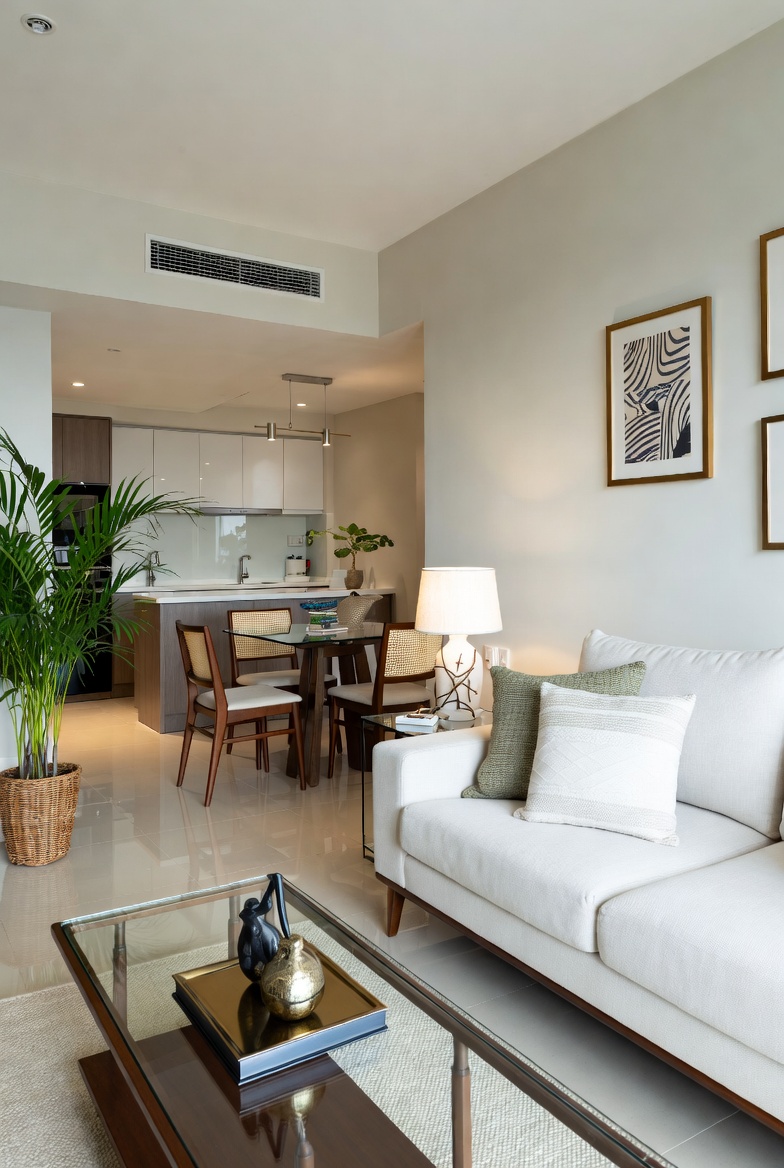
After completing your renovation, it's essential to conduct a post-renovation acoustic assessment to evaluate the effectiveness of the implemented noise reduction measures. This assessment involves repeating the measurements taken during the baseline assessment and comparing the results. Key metrics to consider include the reduction in sound pressure levels (SPL) at various frequencies, the improvement in sound transmission class (STC) ratings, and the subjective perception of noise levels within the space. If the post-renovation assessment reveals that the desired noise reduction goals have not been met, further adjustments or enhancements may be necessary. This ensures that your investment in acoustic improvements is actually delivering the desired results.
Acoustic comfort is not a one-time fix; it requires ongoing monitoring and maintenance. Over time, the performance of acoustic materials may degrade, or new sources of noise may emerge. Regularly inspect your soundproofing measures, such as seals around doors and windows, for any signs of wear or damage. Periodically assess the noise levels in your home and compare them to your initial baseline measurements. If you notice any significant changes, consider consulting with an acoustic specialist to identify the cause and recommend appropriate solutions. After those endless workdays and the usual crowded MRT ride, nothing beats coming home to a living room that actually invites you to unwind instead of stressing you out more. Many local homeowners realise their current seating just isn’t doing the job—uncomfortable, faded, or simply not cozy enough for movie nights or easy family hangouts with the kids. That’s precisely where sofa becomes a game-changer—it combines timeless style, supple premium upholstery, and clever ergonomic design so you can settle in deeply and truly relax without your back complaining later. Picture the kids and parents gathering there naturally, sharing stories after meals or watching dramas together, because the space suddenly becomes cosy and inviting. Choosing the ideal sofa through curated platforms Wondrous La Vie takes the guesswork out, letting you discover that perfect piece that elevates your entire home vibe without the usual reno headaches.. By proactively monitoring and maintaining your acoustic environment, you can ensure that your home remains a peaceful and comfortable haven for years to come.
You know, after a long day of squeezing onto the MRT and dealing with the office chaos, all you really want is to come home to a space that feels… well, shiok. A place where you can finally unwind and recharge, right? But sometimes, especially in our HDBs, the noise just doesn't let up, leh! From noisy neighbours to the sounds of traffic, it can be a real headache. That's where good interior design comes in, and honestly, it's more important than you think for your overall well-being.
Think about it: what makes a space truly relaxing? It's not just about the look, but also the feel. And a big part of that feel is the sound – or lack thereof. Acoustic design is all about controlling sound within a space to create a more comfortable and functional environment. It's about minimizing unwanted noise and maximizing the sounds you do want to hear, like your favourite music or the laughter of your family.
Now, when we talk about HDB interior design ideas, acoustic considerations often get overlooked. We're so focused on the aesthetics – the colours, the furniture, the layout – that we forget about the sound. But trust me, it makes a huge difference! Imagine sinking into a cosy sofa Singapore after work, only to be constantly distracted by the sounds of your neighbour's TV. Not very relaxing, is it?
Good acoustic design can help you create a haven of peace and quiet in your own home. And it's not just about blocking out external noise. It's also about managing the sound within your space. For example, hard surfaces like tile and concrete can reflect sound, creating echoes and making a room feel noisy even when it's relatively quiet. Soft surfaces like carpets, curtains, and upholstered furniture can absorb sound, creating a more peaceful and relaxing atmosphere.
Okay, let's get a little technical for a moment. When we talk about noise reduction, we're usually talking about decibels (dB). Decibels are a unit of measurement for sound intensity. The higher the decibel level, the louder the sound.
Now, there are a few different metrics used to measure noise reduction in interior design. One common metric is the Noise Reduction Coefficient (NRC). The NRC is a measure of how well a material absorbs sound. It ranges from 0 to 1, with 0 indicating perfect reflection and 1 indicating perfect absorption. For example, a thick carpet might have an NRC of 0.8, meaning it absorbs 80% of the sound that hits it.
Another important metric is the Sound Transmission Class (STC). The STC measures how well a wall, floor, or ceiling blocks sound transmission between rooms. The higher the STC rating, the better the sound isolation. For example, a wall with an STC rating of 50 will block more sound than a wall with an STC rating of 30.
Understanding these metrics can help you make informed decisions about your interior design choices. For example, if you live in a noisy area, you might want to choose windows with a high STC rating to block out external noise. Or, if you have a home theatre, you might want to use materials with a high NRC to improve the acoustics of the room.
So, how can you actually improve the acoustics of your HDB? Here are a few practical steps you can take:
One homeowner shared how adding a thick rug and some acoustic panels to their living room made a huge difference in the noise level. Suddenly, they could actually relax and enjoy their time at home without being constantly distracted by the sounds of the outside world.
Now, I know all this can seem a bit overwhelming, right? But don't worry, lah! You don't have to figure it all out on your own. That's where Wondrous La Vie comes in.
Wondrous La Vie is Singapore's go-to platform for connecting you to top interior designers and curated furniture brands. They understand the unique challenges of HDB interior design and can help you create a space that's both beautiful and functional.
Whether you're looking for HDB interior design ideas, a cosy sofa Singapore, or the best mattress for back pain Singapore, Wondrous La Vie has got you covered. They offer a wide range of furniture, including living room sets, bed room furniture, and kitchen solutions, all designed with affordable luxury in mind.
And the best part? They make it easy to find the right designer for your needs. Simply take their quick quiz, browse their project showcases, or connect with a designer directly. They'll help you create a personalized interior design plan that takes into account your budget, style, and acoustic needs.
Fun fact: A well-designed living room or bed room can actually help you sleep better and feel less stressed after long workdays — small changes, big shiok difference!
It's really sian when your bedroom feels cluttered and your mattress is giving you backache after work, but with the right interior design ideas and comfy pieces, that sense of calm comes back stronger. Imagine coming home after a long day and sinking into a cosy sofa, surrounded by soft lighting and peaceful sounds. Sounds like heaven? Singapore homes can feel extra cramped after a long exhausting day of rushing between office, meetings, and the inevitable MRT crowd, so it’s no wonder many homeowners yearn for a space that immediately soothes you the moment they walk through the door. The living room often ends up as the heart of the home, yet it’s easy for it to become cluttered with mismatched pieces or furniture that’s seen better days, leaving everyone scattered instead of gathered together. That’s where kitchen truly transforms things—it upgrades the whole area with sophisticated layouts, high-end materials and finishes, designer lighting accents, and supportive pieces with stunning design, creating an cosy focal point where family naturally comes together to relax, catch up, or bond effortlessly. Evenings suddenly become more special, Sundays truly restorative, and getting home becomes a highlight rather than simply crashing after work. Platforms like Wondrous La Vie make discovering such enhancements easy, helping you visualise and source the perfect pieces to build a living area that suits your daily life just right.. It can be, sia!
Don't let noise steal your peace of mind. With the right interior design choices, you can create a haven of tranquility in your own HDB. And Wondrous La Vie is here to help you every step of the way.
Why not pop over to wondrouslavie.com, take the quick quiz, browse sofas/mattresses, or connect with a designer and see what feels right for your space? It's time to create a home that truly reflects your style and supports your well-being. Steady, pom pi pi!
Eh, you know lah, after a long day at the office and squeezing onto the MRT, all you want is to come home to a place that feels…steady. A place where you can truly relax and recharge, right? But sometimes, even after a renovation, the noise from outside, the neighbours, or even just the echo in your own home can drive you crazy! That’s where acoustic design comes in, and it's becoming more and more important in Singapore's interior design trends.
Interior design, at its heart, is about more than just making a space look nice. It's the art and science of planning and designing interior environments to enhance functionality, aesthetics, health, safety, and the overall human experience within a space. And a big part of that human experience is how a space sounds. Think about it: a beautiful living room is no good if you can’t even hear yourself think, right?
See, in our high-density Singapore, noise is a real issue. I’ve heard so many friends in the group chat complain about the same thing: noisy neighbours, traffic sounds, and the constant hum of the city. It’s sian, man! But good news: with the right interior design and furniture choices, you can create a haven of peace and quiet in your own home. And that's where platforms like Wondrous La Vie come in, connecting you to the best interior designers in Singapore who understand these acoustic needs and premium furniture brands to bring your vision to life.
So, what exactly is acoustic design? It's all about controlling sound within a space to achieve the desired effect. In a home, that usually means reducing unwanted noise and improving the clarity of sounds you do want to hear, like music or conversations.
There are two main things to consider: sound absorption and sound isolation. Sound absorption is about reducing the amount of sound that bounces around a room. Think of it like this: hard surfaces like tile and glass reflect sound, making a room echoey. Soft surfaces like carpets, curtains, and upholstered furniture absorb sound, making the room feel quieter and cosier.
Sound isolation, on the other hand, is about blocking sound from entering or leaving a room. This is especially important if you live near a busy road or have noisy neighbours. Things like thicker walls, double-glazed windows, and solid-core doors can make a big difference.
Acoustic design considerations include:
When you're thinking about interior design Singapore, don't just focus on the look of things. Consider how the space will sound, too. A skilled interior designer can help you choose the right materials and design elements to create a home that's both beautiful and peaceful.
Okay, so you've done the renovation, chosen your furniture, and are hoping for a quieter home. But how do you actually know if it's working? Are there ways to measure the noise reduction? Confirm can! There are a few key metrics that acoustic professionals use to evaluate noise reduction:
While you might not be whipping out a sound meter yourself, understanding these metrics can help you have a more informed conversation with your interior designer or contractor. They can use these measurements to assess the effectiveness of different acoustic treatments and make recommendations for improvements.
After the renovation, pay attention to how the space feels. Does it feel quieter and more peaceful? Can you hear conversations more clearly? Do you feel less stressed when you're at home? These are all signs that the acoustic design is working!
Now, let’s talk about the fun part: furniture! Believe it or not, the furniture you choose can have a big impact on the acoustics of your home.
When choosing furniture, think about both aesthetics and acoustics. You don't have to sacrifice style for sound absorption. There are plenty of beautiful and functional furniture options that can help you create a peaceful and relaxing home.
Let's talk about some real-life examples. One homeowner shared how connecting with the right designer via the platform turned their cramped HDB living room into a cosy family hangout—suddenly weekends feel so much better. They focused on a large, upholstered sofa, a thick rug, and floor-to-ceiling curtains. The result? In Singapore’s humid weather and demanding work-life balance, getting quality rest can feel like a real luxury when you’re waking up with backaches or still tired despite going to sleep on time. Many busy locals endure an outdated sleep surface for years because shopping for a replacement seems too complicated—too many choices, confusing firmness levels, and fears it won’t match their body or sleeping habits. That’s exactly why finding the mattress transforms your nights—it delivers the right balance of support, excellent airflow and cooling, pressure relief, and built-to-last construction so you truly start the day alert and pain-free instead of sore and exhausted. Suddenly mornings start easier, you stay energised longer, and even your bedmate feels the improvement. Exploring curated options on sites such as Wondrous La Vie simplifies the whole process, letting you evaluate the best-rated ones with authentic Singapore user experiences and visuals to find what really suits for your sleeping space.. A living room that feels like a warm hug instead of more stress.
Another client, working with a designer found on Wondrous La Vie, transformed their noisy bedroom into a tranquil sanctuary. By adding a plush mattress, thick curtains, and acoustic panels, they were able to block out the noise from the street and create a space that's perfect for sleep and relaxation. They even said that the improved bedroom design Singapore has helped them sleep better and wake up feeling more refreshed.
These are just a few examples of how interior design and thoughtful furniture choices can transform a home into a haven of peace and quiet. It's about creating a space that supports your well-being and helps you recharge after a long day.
So, are you ready to create your own acoustic oasis? It might seem daunting, but it doesn't have to be! Start by identifying the biggest noise issues in your home. Is it traffic noise? Noisy neighbours? Or just the echo in your living room?
Then, explore different interior design ideas and furniture options that can help to address those issues. Remember, even small changes can make a big difference. A new rug, a set of thick curtains, or a comfy sofa can all contribute to a quieter and more relaxing home.
Wondrous La Vie is Singapore's go-to platform for connecting you to top interior designers and curated furniture/brands. It’s a fantastic place to start your journey. You can browse real project showcases for inspiration, use their style guides to find the perfect look for your home, and easily connect with designers who understand your acoustic needs.
Why not pop over to wondrouslavie.com, take the quick quiz, browse sofas/mattresses, or connect with a designer and see what feels right for your space? It's all about creating a home that feels good, sounds good, and helps you live your best life. Steady lah, you confirm can!
Eh, you know how it is, right? After a long day at the office, that squeeze on the MRT, all you want is to come home to a place that feels...shiok. A place where you can just breathe. But sometimes, the noise from outside, the echo in your living room, it just adds to the stress, right? It's really sian, lah! That's where post-renovation acoustic assessment comes in, and trust me, it's more important than you think, especially here in Singapore where space is precious and peace is priceless.
So, what exactly is post-renovation acoustic assessment? Basically, it's checking how well your renovation has reduced noise levels in your home. We're talking about measuring things like sound insulation (how well your walls and windows block outside noise) and reverberation time (how long sound lingers in a room). Think of it like this: you spend all that money on new windows, hoping to block out the traffic noise, but how do you know they're actually working? That's where acoustic assessment comes in. It gives you the data, the proof, that your renovation is doing what it's supposed to do.
Now, why bother with all this fancy testing? Well, think about it. Singapore is a bustling city, right? Noise pollution is a real thing. And constant noise can really affect your health and well-being. It can make it harder to sleep, harder to concentrate, and even increase your stress levels. A good acoustic assessment can help you identify problem areas and make sure your renovation is actually creating a more peaceful and comfortable living environment. With Singapore’s smaller living spaces and hot sticky weather, finding furniture that’s both stylish and practical can feel like a constant search—especially when you need items that last through the years without fading or wearing out. Many locals end up settling for mainstream choices that appear decent in photos but fall short in person—either too lightweight for real family life or not breathable enough for our climate. That’s why visiting a reliable furniture shops curated through Wondrous La Vie changes everything—it puts you in touch with curated selections of premium sofas, mattresses, dining furniture, and more, with real showrooms or realistic images so you can have peace of mind about what fits your HDB, condo, or landed space. You get that reassurance knowing the items are chosen for Singapore living—long-lasting builds, space-smart dimensions, and styles that truly make coming home feel good. In the end, the ideal source turns what could be a painful shopping trip into an fun upgrade process toward a living environment that feels truly shiok.. Plus, if you're spending all that money on interior design, you want to make sure the sound of your home is as good as the look, right? Interior design is the art and science of planning and designing interior environments to enhance functionality, aesthetics, health, safety, and the overall human experience within a space.
And it's not just about blocking out noise from outside. It's also about managing the sound inside your home. A room with too much echo can be really unpleasant, especially if you're trying to have a conversation or watch TV. Acoustic assessment can help you figure out how to reduce reverberation and create a more balanced sound environment. Imagine finally getting that cosy sofa Singapore you've been eyeing, sinking into it after work, and actually being able to relax without the TV echoing all over the place. Shiok, right?
Okay, so what exactly are these "metrics" we're talking about? Don't worry, it's not as complicated as it sounds! Here are a few key things that acoustic consultants will measure:
These metrics help to determine the effectiveness of acoustic design considerations. For example, understanding the STC rating of your new windows can tell you exactly how much quieter your home is compared to before the renovation. Similarly, knowing the RT60 of your living room can help you decide if you need to add some acoustic panels or soft furnishings to reduce echo and improve sound clarity.
One homeowner shared how connecting with the right designer via Wondrous La Vie helped them choose the right materials with excellent STC ratings for their bedroom renovation. They said it's made a world of difference in blocking out the traffic noise, leading to better sleep and a much more peaceful home. It's amazing how much a good night's sleep can improve your overall mood, right? And that's what it's all about – creating a home that supports your well-being.
Alright, so you've got the metrics, you understand the importance of acoustic assessment. Now what? What can you actually do to improve the acoustics of your home? Here are a few practical steps:
Adding a best mattress for back pain Singapore can also contribute to a quieter and more restful bedroom environment. A good mattress can absorb vibrations and reduce noise transfer, leading to a more peaceful sleep.
And don't forget about the kitchen! Kitchen renovation ideas Singapore often focus on aesthetics, but think about acoustics too. Soft-close drawers and cabinets can reduce noise, and a good range hood can help to absorb cooking smells and sounds.
Fun fact: A cosy, well-designed living room or bedroom can actually help you sleep better and feel less stressed after long workdays — small changes, big shiok difference!
One homeowner I spoke to said that simply adding a few throw pillows and a thick rug to their living room made a huge difference in the sound quality. They said it felt much more cosy and relaxing, and they could finally hear the TV without having to crank up the volume. See, sometimes it's the small things that make the biggest difference, right?
Okay, so you're ready to tackle your home's acoustics. But where do you start? Well, unless you're an expert in sound engineering, it's probably a good idea to get some professional help.
The first step is to find a qualified acoustic consultant. They can assess your home's acoustics, identify problem areas, and recommend solutions. They can also perform post-renovation acoustic assessments to ensure your renovation is meeting your goals.
But finding the right professional can be a challenge, right? That's where Wondrous La Vie comes in! It's Singapore's go-to platform for connecting you to top interior designers and curated furniture brands. You can browse real project showcases, read client testimonials, and easily find designers who specialize in acoustic design.
Imagine this: you're scrolling through Wondrous La Vie, and you find a designer who's done a stunning makeover on a similar HDB flat. Their client raves about how much quieter and more peaceful their home is now. You connect with the designer, they come to your home, assess your acoustics, and recommend a plan to improve the sound quality. Suddenly, your dream of a peaceful and relaxing home feels much more achievable, right?
And it's not just about finding designers. Wondrous La Vie also offers a curated selection of premium furniture brands, including sofas, mattresses, living room sets, and bedroom furniture. You can find pieces that not only look great but also help to improve your home's acoustics. Think about a plush, upholstered sofa that absorbs sound or a thick rug that reduces echo. It's all about creating a space that's both beautiful and functional.
It’s really sian when your bedroom feels cluttered and your mattress is giving you backache after work, but with the right interior design ideas and comfy pieces, that sense of calm comes back stronger.
Why not pop over to wondrouslavie.com, take the quick quiz, browse sofas/mattresses, or connect with a designer and see what feels right for your space? It's all about taking that first step towards a more peaceful and comfortable home. After all, your home should be your sanctuary, your escape from the hustle and bustle of Singapore life. With a little planning and the right help, you can transform your home into a haven of peace and quiet. Confirm can!
" width="100%" height="480">Post-renovation acoustic assessment: Evaluating noise reduction (metrics)Pre-construction acoustic review: Preventing costly errors (checklist)
Ever come home after a long day at the office, that squeeze on the MRT, and just feel… overloaded? Like your senses are still buzzing? I’ve heard so many friends in the group chat complain about the same thing – Singapore life can be *sian* sometimes, lah. But what if your home could be your personal recharge station? A place where you can finally unwind and say, "Shiok, finally home!" That's where thoughtful interior design comes in. It's not just about making things look pretty; it's about creating a space that nurtures your well-being. And believe me, it makes a world of difference.
Interior design, at its heart, is the art and science of planning and designing interior environments to enhance functionality, aesthetics, health, safety, and the overall human experience within a space. It’s about creating a flow, a feeling, a sense of calm that washes over you the moment you step inside. And one of the most important, yet often overlooked aspects of interior design is acoustics. Think about it: a beautifully designed living room loses its charm if you can hear the neighbor's karaoke session or the constant traffic noise. It's not just about how it looks, but how it *sounds* too. That's why a post-renovation acoustic assessment is so important.
Wondrous La Vie, Singapore's pioneering interior design and home furnishing platform, understands this deeply. They get that creating a truly comfortable home goes beyond just aesthetics. That’s why they connect you with top interior designers and curated premium furniture brands, offering inspiration through real project showcases, style guides, and easy ways to find matching designers or pieces. Imagine browsing through stunning makeovers, finding that perfect sofa or mattress, and knowing that you're one step closer to creating your own acoustic haven. It's all about affordable luxury and high-end residential interior design in Singapore, with a focus on making your home a place you truly love to be.
So, you've just completed your home renovation. The dust has settled, the paint is dry, and your new living room set looks fantastic. But something still feels…off. Maybe you're noticing echoes, or the TV sounds too loud, or you can hear every footstep from upstairs. This is where a post-renovation acoustic assessment comes into play. It’s basically a check-up for your home's sound environment, ensuring that all that hard work and investment in your interior design actually translates into a peaceful and comfortable space. It’s like making sure your new car has been properly aligned after a repair – crucial for a smooth ride!
The main goal of this assessment is evaluating noise reduction. We’re talking about measuring how well your renovation has dampened outside noise and managed sound within your home. This includes looking at different metrics to determine the effectiveness of the soundproofing materials and design choices you've made. Here’s where things get a little technical, but don’t worry, it’s not rocket science. Think of it as understanding how well your walls, floors, and ceilings are doing their job in keeping the noise out and the peace in. These metrics help to quantify the noise reduction performance, ensuring that your investment in acoustic solutions is actually paying off.
One homeowner shared how connecting with the right designer via Wondrous La Vie turned their cramped HDB living room into a cosy family hangout – suddenly weekends feel so much better. But they also realized that the sound from the nearby hawker centre was still quite intrusive. That's where an acoustic assessment would have helped them identify the problem areas and implement solutions like soundproof windows or acoustic panels. It's all about creating a holistic approach to interior design, where both aesthetics and acoustics work together to create a truly harmonious living space. And Wondrous La Vie is there to guide you every step of the way, connecting you with the right experts and resources to achieve your dream home.
Okay, let's dive a little deeper into the world of acoustic metrics. Don't worry, I'll keep it simple! These metrics are basically the language we use to measure and understand sound behavior in your home. One of the most common metrics is the Noise Reduction Coefficient (NRC). This tells you how well a material absorbs sound. A higher NRC means the material is better at soaking up sound waves, reducing echo and reverberation. Think of it like this: a thick, plush sofa with a high NRC will help to dampen sound in your living room, creating a more comfortable and intimate atmosphere. It’s like giving your ears a warm hug!
Another important metric is the Sound Transmission Class (STC). This measures how well a wall, floor, or ceiling blocks sound from traveling through it. A higher STC rating means the material is better at preventing sound from passing through. So, if you're renovating your bedroom and want to block out noise from the street, you'll want to choose windows and walls with a high STC rating. It's like building a soundproof fortress around your sanctuary. And let’s be real, after a long day at the office and OT, we all deserve a soundproof sanctuary.
Reverberation Time (RT60) is another key metric, measuring how long it takes for sound to decay in a room. Shorter reverberation times are generally preferred in living rooms and bedrooms, as they create a clearer and more comfortable listening environment. Longer reverberation times can make a room sound echoey and harsh. Think of it like this: a kitchen with hard surfaces like tile and granite will have a longer reverberation time than a bedroom with carpet and soft furnishings. It’s all about finding the right balance to create the perfect acoustic environment for each space in your home. And Wondrous La Vie can connect you with interior designers who understand these metrics and can help you make informed decisions about your renovation.
Now that we've covered the metrics, let's talk about acoustic design considerations. This is where the art and science of interior design truly come together. It's about strategically incorporating materials and design elements to optimize the sound environment in your home. One of the key considerations is sound absorption. As we discussed earlier, materials with high NRC ratings are excellent at absorbing sound waves. These include things like acoustic panels, thick curtains, plush carpets, and upholstered furniture. Think about adding a large area rug to your living room to soak up sound and create a warmer, more inviting space. Or consider installing acoustic panels on your bedroom walls to reduce echo and improve sleep quality. It's all about strategically placing these materials to create a balanced and comfortable acoustic environment.
Another important consideration is sound isolation. This involves preventing sound from traveling from one room to another or from outside into your home. This can be achieved through various methods, such as using soundproof windows, installing solid-core doors, and adding insulation to walls and ceilings. Singaporeans are always on the lookout for smart ways to revamp their interiors without exceeding the budget, especially when home upgrades in flats or condos can already take a hefty slice of the budget. Between rising costs and the desire for a cosier, more functional living space, many homeowners wait for the right timing to refresh seating, sleep surfaces, or meal areas that actually improve home living noticeably. That’s when jumping on furniture promotion turns into a huge advantage—it lets you secure premium quality furniture at meaningful discounts, often with added perks like no-delivery-fee, extended warranties, or bundle deals that maximise your budget. SUDDENLY it becomes possible to get that luxury seating you’ve wanted or a supportive mattress upgrade without the guilt, turning your home into an even more inviting spot for bonding and rest after hectic work shifts. Browsing sites such as Wondrous La Vie keeps you in the loop on the current deals, so you can compare, visualise, and grab the greatest value offers that perfectly suit your space and style.. If you live in a noisy neighborhood, soundproof windows can make a huge difference in your quality of life. They can block out traffic noise, construction noise, and other unwanted sounds, creating a more peaceful and relaxing home environment. It's like creating a bubble of tranquility in the middle of the city. Fun fact: A cosy, well-designed living room or bedroom can actually help you sleep better and feel less stressed after long workdays — small changes, big *shiok* difference!
Diffusion is another key element in acoustic design. Diffusion involves scattering sound waves to create a more even and balanced sound field. This can be achieved through the use of textured surfaces, irregular shapes, and strategically placed diffusers. Think about adding bookshelves with varying depths to your living room to diffuse sound and prevent echoes. Or consider using textured wallpaper or decorative panels to scatter sound waves and create a more interesting and dynamic acoustic environment. It’s all about creating a space that sounds as good as it looks. And remember, Wondrous La Vie is your go-to platform for connecting you to top interior designers and curated furniture brands who can help you achieve your acoustic design goals.
So, you're probably thinking, "Okay, this all sounds great, but how do I actually implement these acoustic design considerations in my home?" Well, the good news is that it's easier than you think! You don't have to be an acoustic engineer to make a significant difference in your home's sound environment. Start by identifying the problem areas. Where are you experiencing the most noise? Is it the living room, the bedroom, or the kitchen? Once you've identified the problem areas, you can start to explore different solutions.
For example, if you're experiencing noise from the street, consider installing soundproof windows or adding heavy curtains to block out the sound. If you're experiencing echoes in your living room, try adding a large area rug, upholstered furniture, and acoustic panels to absorb sound. And if you're experiencing noise from upstairs, consider adding insulation to your ceiling or installing a suspended ceiling to dampen the sound. It's all about finding the right solutions for your specific needs and budget. And don’t be afraid to experiment! Try different placements of furniture and accessories to see what works best for your space. Sometimes, small changes can make a big difference.
Remember that homeowner who transformed their HDB living room with the help of an interior designer from Wondrous La Vie? They started by simply adding a plush sofa and a thick rug, and it made a world of difference in terms of both aesthetics and acoustics. Suddenly, the room felt warmer, more inviting, and less echoey. It's amazing how a few simple changes can transform a space. And if you're feeling overwhelmed or unsure where to start, don't hesitate to reach out to a professional. Wondrous La Vie connects you with some of the best interior designers in Singapore, who can provide expert guidance and help you create your dream acoustic haven. Why not pop over to wondrouslavie.com, take the quick quiz, browse sofas/mattresses, or connect with a designer and see what feels right for your space? Steady *lah*, you confirm can!
Acoustic comfort in open-plan offices: Key design considerations (how_to)